
Looking to shake up your fitness routine and challenge your body in new ways? Balance boards might just be the game-changer you’re searching for! These versatile tools can improve core strength, stability, agility, and even help with injury prevention and rehabilitation. Whether you’re a fitness enthusiast, an athlete, or a physical therapist, incorporating balance board exercises into your workouts can lead to incredible results.
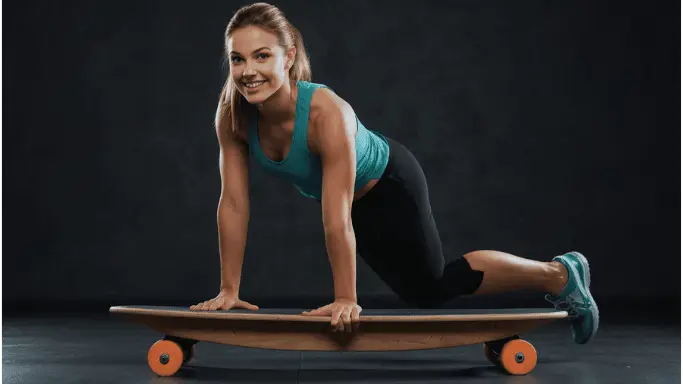
This blog explores 10 must-try balance board exercises, how to get started safely, and tips on choosing the right board for your fitness level. Plus, we’ll share success stories from real users and expert insights to motivate and inspire you!
How Balance Boards Revolutionize Fitness
Balance boards are not just pieces of fitness equipment—they’re a secret weapon for strengthening those hard-to-reach stabilizing muscles. According to the American Council on Exercise, “Balance boards are an effective tool for improving proprioception, which is essential for injury prevention and rehabilitation.” Proprioception refers to your body’s ability to sense its position, movement, and alignment, and it’s key to staying injury-free during physical activity.
By adding an element of instability to your workouts, balance boards force your body to engage core and stabilizing muscles that may not be challenged during traditional exercises. Sports Medicine Journals highlight that “Adding instability to workouts challenges the core and stabilizing muscles, leading to a stronger, more resilient body.” The result? Enhanced performance, improved balance, and a stronger foundation.
Read More:
10 Best Biceps Stretch Exercises for Flexibility & Pain Relief
10 Balance Board Exercises to Strengthen and Stabilize
1. Basic Balance Hold
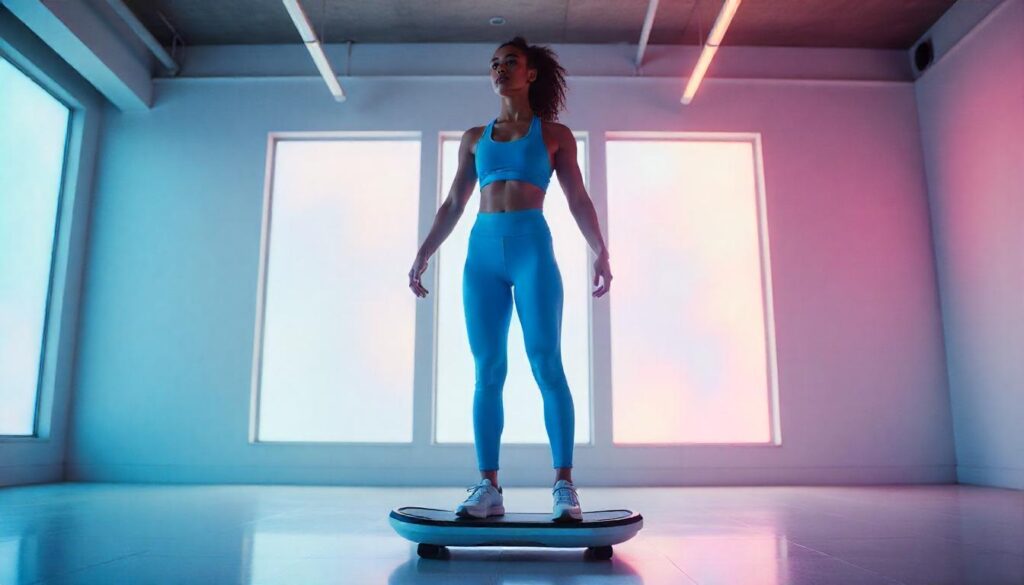
How to do it: Start by standing on the balance board with both feet evenly placed. Keep your knees slightly bent and focus on maintaining stability for 30–60 seconds.
Why it works: This foundational exercise strengthens your core and helps build confidence as you get used to working with a balance board.
2. Plank Hold

How to do it: Place your hands on the board while holding a plank position. Engage your core to keep the board stable.
Why it works: This takes a classic plank to the next level, activating your shoulders, abs, and lower back muscles more intensely.
3. Squats on the Board
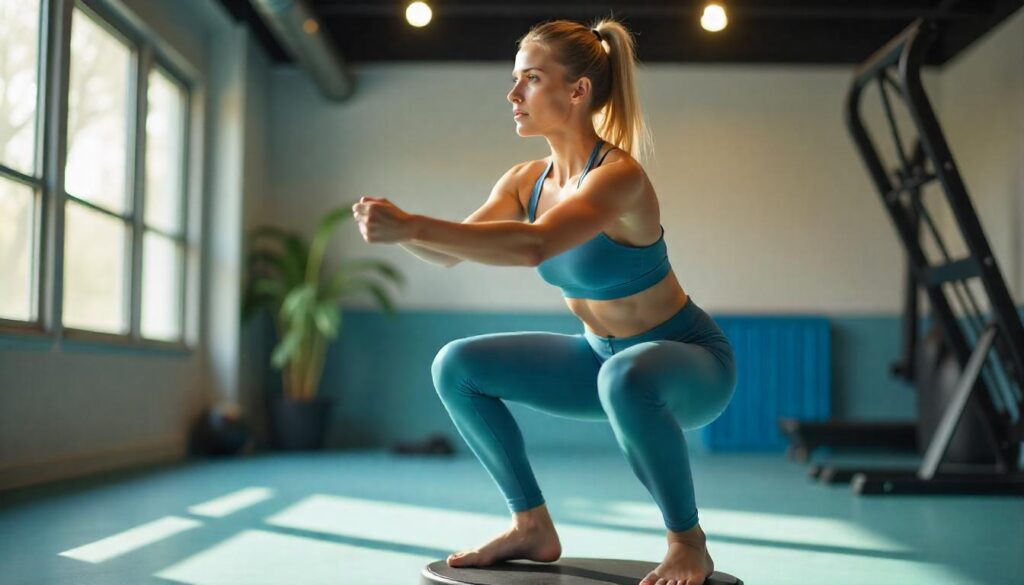
How to do it: Stand on the board and carefully lower yourself into a squat position. Keep your weight evenly distributed.
Why it works: Challenges your legs, glutes, and core while improving balance and control.
4. Lunges with a Balance Board
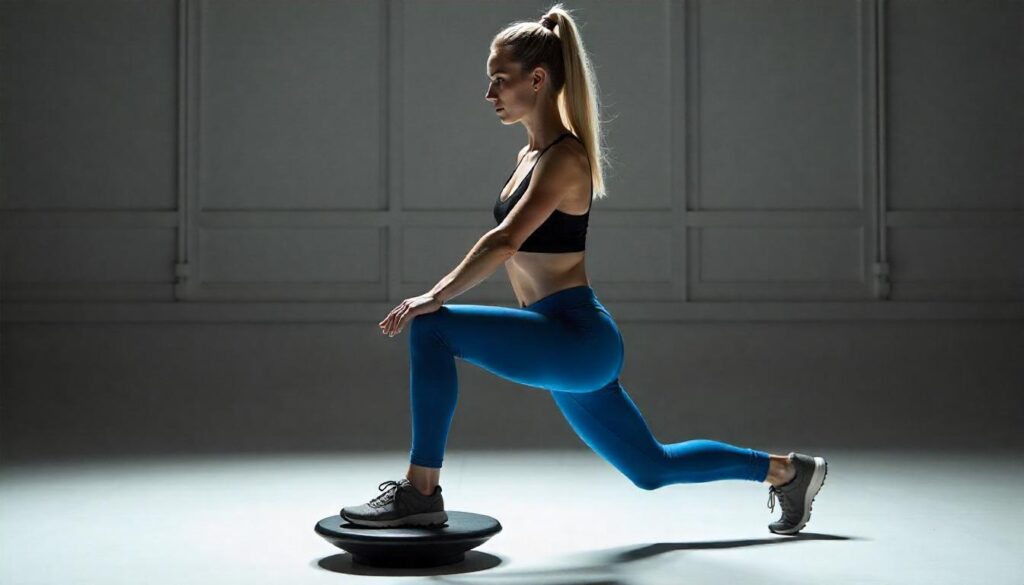
How to do it: Place one foot on the board while keeping the other on solid ground. Perform a lunge by bending both knees.
Why it works: Builds leg strength and works on coordination and stabilization.
5. Push-Ups
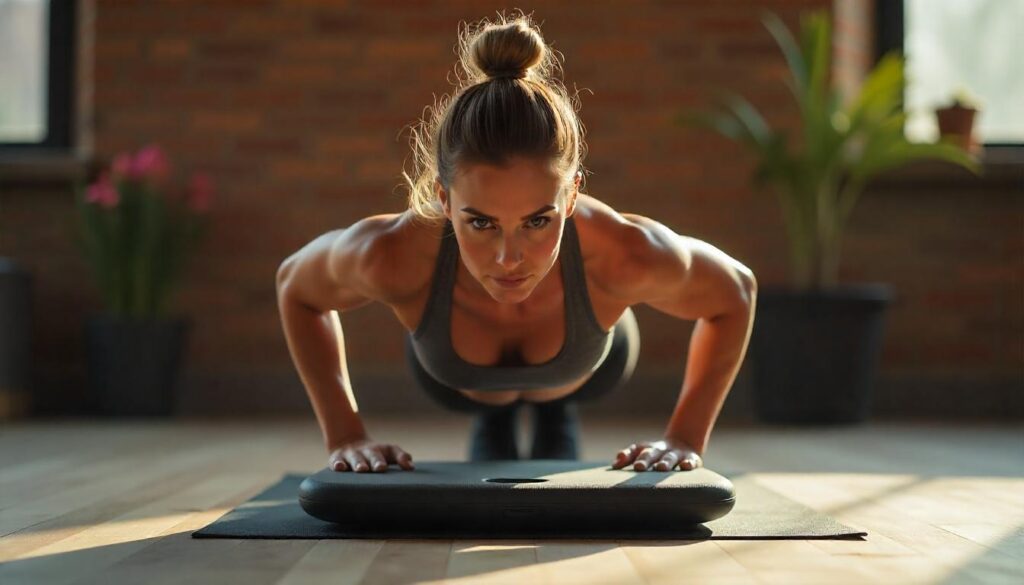
How to do it: Place your hands on the edges of the board and attempt push-ups while keeping the board steady.
Why it works: Strengthens arms, chest, and core while improving stabilization in the upper body.
6. Single-Leg Balance
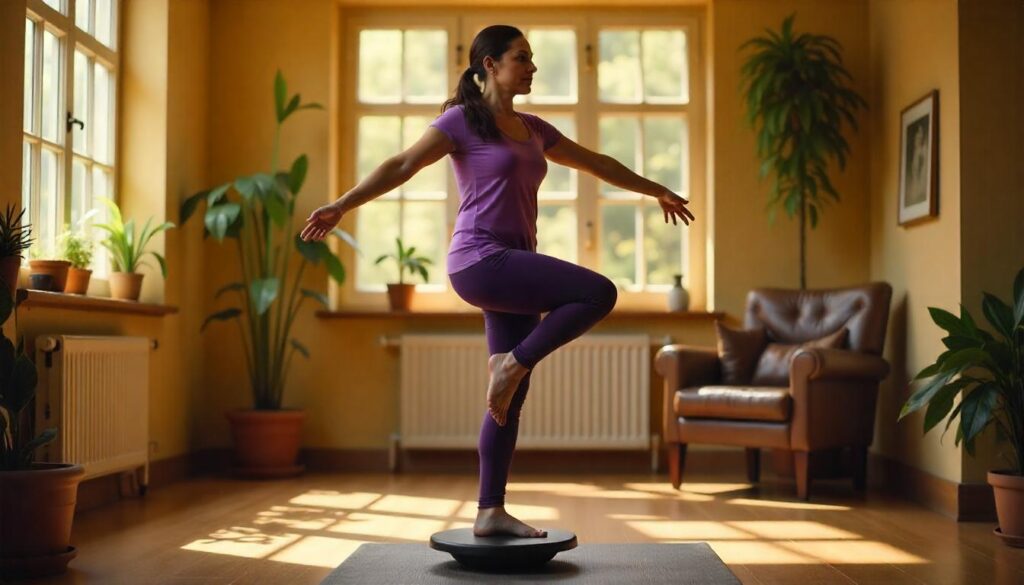
How to do it: Stand on the balance board on one foot while keeping the other leg slightly raised.
Why it works: Enhances single-leg stability, which is crucial for athletes and helps with ankle rehabilitation.
7. Mountain Climbers

How to do it: Place your hands on the board in high plank position. Perform mountain climbers by alternating your knees toward your chest.
Why it works: Combines core activation with cardio and balance training.
8. Side-to-Side Tilts
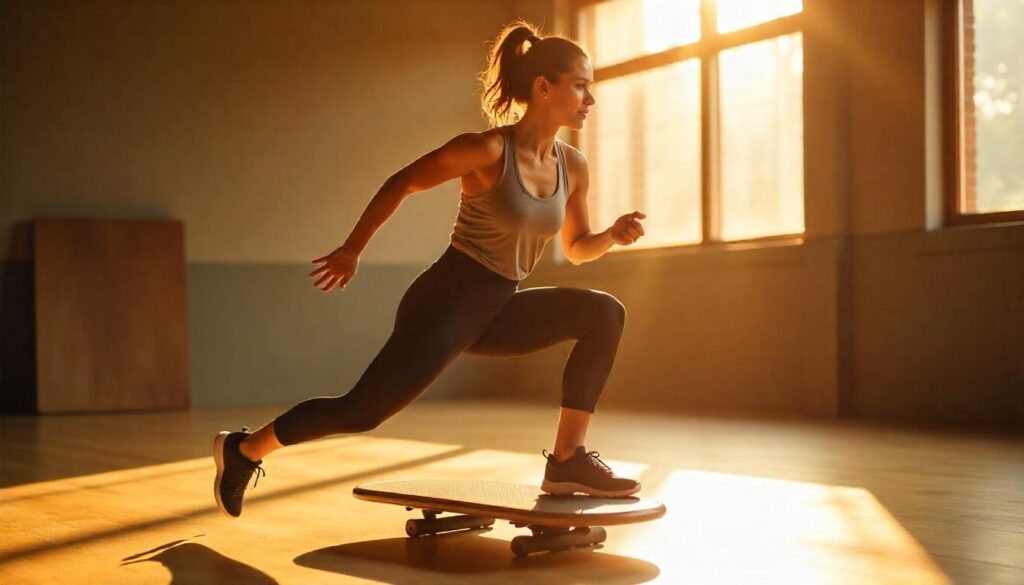
How to do it: Stand on the board and rock side-to-side without letting the edges touch the ground.
Why it works: Engages lower body muscles while improving overall control.
9. Bridge with Stability Board
How to do it: Lie on the ground and rest your feet flat on the board. Lift your hips into a bridge and slowly lower them back down.
Why it works: Strengthens your glutes, core, and hamstrings while challenging balance.
10. Balance Ball Toss
How to do it: Stand on the board and toss a light medicine ball with a partner or against a wall.
Why it works: Adds an extra layer of coordination and activates the entire body.
Success Stories from Real Users
Nothing highlights the power of balance boards better than personal stories!
- Pro Soccer Player Testimonial
“After adding balance board exercises to my routine, I noticed fewer ankle injuries, and my agility on the field has drastically improved.”
- Physical Therapist’s Case Study
A patient recovering from ACL surgery used balance board exercises to regain stability and strength. “We saw faster recovery times and improved functionality,” their therapist noted.
- Fitness Enthusiast
“I’ve always struggled with my core strength, but within a month of doing regular balance board routines, my stability improved, and so did my confidence.”
Choosing the Right Balance Board
Not sure which board is right for you? Here’s a quick guide based on fitness levels and goals:
- Beginners: Opt for boards with a wider surface and a gentle wobble, like wobble boards or rocker boards.
- Intermediate: Choose more dynamic options like roller boards to increase instability and challenge balance further.
- Advanced: Tilt boards and air-filled balance discs are excellent for experienced users seeking to maximize difficulty.
Tips for Beginners
Starting with balance boards can feel tricky at first, but here’s how to ease into it safely:
- Begin on a soft surface like a yoga mat to reduce sharp movements.
- Hold onto a stable object (like a chair) for support until you build confidence.
- Practice short sessions (5–10 minutes) and gradually increase the time as you progress.
Important Precautions to Note
While balance boards are largely safe, keep these precautions in mind:
- Always warm up properly to avoid injuries.
- Avoid using the board if you have severe joint instability or chronic balance issues without consulting a professional.
- Stay in well-lit areas with plenty of space to avoid accidents.
Build Long-Term Strength and Stability with Variety
Balance boards are a fantastic addition to any fitness routine, but variety is essential for long-term success. By incorporating an array of exercises and equipment, you can continuously challenge your body and prevent plateaus. Plus, the benefits of stronger stabilizing muscles and better coordination extend to nearly every physical activity in your life.
Are you ready to give these exercises a try? Share your experience with us and check out our articles on Core Strength Workouts, Injury Prevention Tips, and Fitness Equipment Reviews to level up your fitness game!