
Introduction
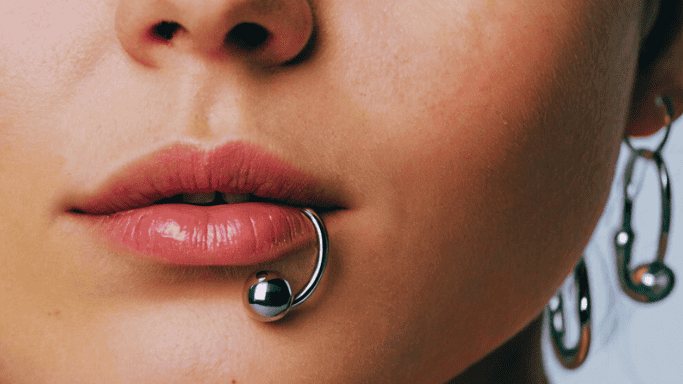
People have always turned to body piercings as an expression of individuality alongside personal style choices. Among the many options available, the Isabella piercing has recently gained popularity for its unique and edgy look. An Isabella piercing catches attention but future commitment should be approached with caution. Despite being fashionable you need to evaluate multiple aspects prior to getting this contemporary body art. Let’s dive deeper into what makes the Isabella piercing stand out—and why it might not be the right choice for everyone.
What is an Isabella Piercing?
The Isabella piercing is a type of ear piercing that goes through the flat, upper part of the ear, near the cartilage. Unlike more common piercings like the lobe or helix, the Isabella piercing is placed in a less-trafficked area, making it a standout choice for those who want something different. The piercing found its name from its creator and now enjoys popularity because of its rare placement among piercing fans.
While it looks stunning, the Isabella piercing’s location and the thickness of the cartilage in that area make it more challenging than other piercings. You should learn about all advantages and disadvantages before determining whether a particular piercing match your preferences.
The Appeal of the Isabella Piercing
There’s no denying that the Isabella piercing is trendy, and for good reason:
Its position on the ear flat section gives it distinctive appearance. The Isabella piercing stands out because individuals rarely observe this type of body art which makes it more desirable.
You gain the ability to try various jewelry styles after the healing process completes including delicate studs and bold hoops or chains.
The Isabella piercing maintains a distinctive middle ground between hip and refined appearances which matches many clothing styles.
Due to its distinctive nature the Isabella piercing serves as an eye-catching accent that attracts discussion and generates favorable comments thus allowing people to showcase their personality traits through it.
The Challenges of an Isabella Piercing
While the Isabella piercing has its perks, it also comes with a set of challenges that might make you think twice:
Long Healing Time
One of the biggest drawbacks of the Isabella piercing is its healing time. Unlike lobe piercings, which can heal in 6-8 weeks, the Isabella piercing can take anywhere from 6 to 12 months to fully heal. Healing of this piercing takes long because it requires the body to heal through thicker cartilage tissue. During healing your extra vigilance is needed to protect against infections along with irritating your piercing.
Higher Pain Level
Pain tolerance varies from person to person, but the Isabella piercing is generally considered more painful than other ear piercings. The dense cartilage of the upper ear needs increased piercing pressure before perforation because it will produce a sharp and intense pain experience. The discomfort associated with Isabella piercing temporarily affects individuals who easily feel pain.
Risk of Infection
Due to its placement, the Isabella piercing is more prone to infections. Since the flat part of the ear remains challenging to cleanse properly bacteria often accumulates when post-care procedures are neglected. Regular and proper cleaning becomes essential because infections from this area may result in swellings and pain as well as scar formation.
Jewelry Limitations
Not all types of jewelry work well with the Isabella piercing. The Isabella piercing position makes it vulnerable to injuries from heavy or large ear accessories as well as risks of migration over time. The healing period demands you to choose tiny and lightweight jewelry for your piercing.
Lifestyle Considerations
Your daily habits and lifestyle can also impact whether the Isabella piercing is a good fit for you.
For example:
- Side sleepers need to take precautionary measures to prevent ear pressure because of the piercing.
- Regular usage of earbuds and headphones might cause irritation to the newly pierced ear.
- People with extended hair will discover that their tresses can easily become entangled with their jewelry which produces unwanted pain.
The Healing Process: What to Expect
Healing an Isabella piercing is no small feat. Your healing experience after Isabella piercing goes through three main phases:
- Initial Swelling and Tenderness: The wound will show redness along with initial swelling together with tenderness during its initial weeks after the procedure. Having swelling in combination with redness and tenderness during healing is typical for this procedure although it may produce discomfort.
- Daily Cleaning Routine: Saline solution cleaning procedures must be performed two times each day because it helps avoid infections. Instead of alcohol or peroxide solution use a saline solution because these drying agents can slow down the healing process of the skin.
- Avoiding Irritation: The pierced ear should stay free from any potential irritants including hair materials and sleeping positions as well as headwear.
- Patience is Key: The healing process typically requires one whole year so you need to consistently follow your aftercare instructions.
Why You Might Want to Reconsider
While the Isabella piercing is undeniably stylish, it’s not for everyone. There are several reasons that may cause you to reconsider the decision below.
- High Maintenance:
- The Isabella piercing requires a lot of care and attention, which might not be feasible if you have a busy lifestyle.
- Pain and Discomfort:
- The kind of piercing demands significant levels of pain together with discomfort so individuals without pain endurance should probably seek an alternative.
- Risk of Complications:
- This piercing type brings two main dangers to your health including infections along with migration problems and scars.
- Long-Term Commitment:
- Once you get an Isabella piercing, you’ll need to commit to taking care of it for months—or even years—to avoid complications.
Alternatives to the Isabella Piercing
If the Isabella piercing sounds too daunting, there are plenty of other options to consider:
- The Helix Piercing represents a classic cartilage piercing which heals better and causes minor discomfort.
- Conch Piercing: Located in the middle of the ear, it’s stylish but less complicated than the Isabella piercing.
- A lobe piercing represents a basic ear piercing with everlasting appeal which works perfectly for new piercers.
- Tragus Piercing: A small, trendy piercing that goes through the small flap of cartilage near the ear canal.
Conclusion
The Isabella piercings is a bold and beautiful choice for anyone looking to make a statement. Wearing an Isabella piercing comes with multiple obstacles to overcome. Many important factors should be taken into account prior to getting this piercing because of extended healing duration and potential complications.
If you’re someone who loves trying new trends and doesn’t mind the extra care, the Isabella piercing could be a great fit. Those seeking simple piercing upkeep should skip the decision for this particular choice since other options exist.