
Are Chickpeas and Garbanzo the Same Thing? Nutritionists Weigh In
Are Chickpeas and Garbanzo the Same Thing beige-colored nutty beans can be found in grocery stores under two distinct labels: chickpeas and garbanzo beans. The realization creates instant confusion for numerous people. Do chickpea and garbanzo beans represent the same food? These two ingredients exist separately as distinct elements although their differences may be minor or major.
The identification of these beans extends beyond culinary preferences into historical and cultural territories and nutritional values. The following exploration serves readers who wonder which beans to use in their salads between chickpeas and garbanzos.
This essay investigates the history and practical applications of the question to determine if chickpeaas and garbanzo truly differ.
The Great Chickpea vs. Garbanzo Debate
The Question Everyone’s Asking
Every person should know that chickpeaas and garbanzo share one and the same identity. The short answer is yes. The legume Cicer arietinum exists under the dual names of chickpeas and garbanzo beans. The actual explanation behind their similarity proves to be much more interesting. The various names of this legume emerged from specific historical and culinary traditions of different cultures.
To understand the parallel existence of these two names researchers must analyze linguistics and international cuisines and the impact of colonization. But we’ll get there. The biological nature of this bean requires an introduction.
Read More: Chia Seeds Uncovered: 6 Powerful Benefits for Supercharged Nutrition
What Are Chickpeas (or Garbanzo Beans), Scientifically Speaking?
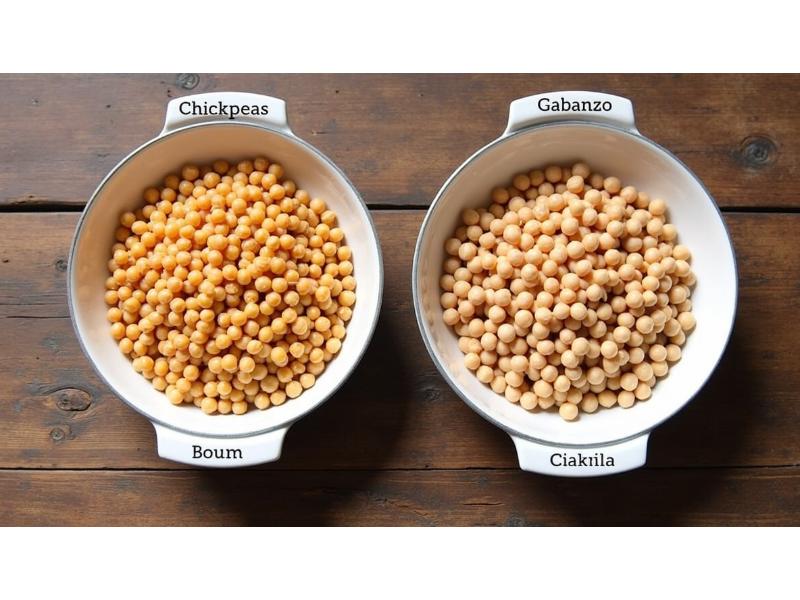
Chickpeas which are also known as garbanzo beans stem from the legume family and maintain the scientific name Cicer arietinum. The small round legume has existed for thousands of years worldwide and serves as a dietary staple because it contains protein and fiber along with being easy to prepare in various ways.
Nutritional Profile
The high nutritional content of chickpeas attracts people who follow vegetarian diets and vegan lifestyles as well as those who prioritize health. One serving of cooked chickpeas at 164 grams contains these nutritional elements:
Protein: 14.5g
Fiber: 12.5g
Carbohydrates: 45g
Fat: 4.2g
Iron: 4.7mg (26% DV)
Folate: 282mcg (71% DV)
The combination of necessary vitamins and minerals with high protein and fiber content in chickpeas allows them to regulate appetite while stabilizing blood sugar.
Types of Chickpeas
Two distinct categories of chickpeas exist in the market.
Desi: Small, dark, and with a rough coat. Commonly found in India.
Kabuli: Larger, lighter in color, and smoother. The Western supermarket version of chickpeas and garbanzo beans represents the Kabuli type which dominates the global market.
The terms chickpea and garbanzo refer to exactly the same food. Nutritionally and botanically—yes. The linguistic evolution of these legumes leads to their dual naming system.
The Etymology of Chickpeas and Garbanzo
Where “Chickpea” Comes From
The Latin genus name “cicer” served as the basis for developing the English word “chickpea.” Through Old French the name transformed into pois chiche which later became chiche pease in Middle English.
Time passed until the phrase condensed into the standardized word “chickpea.” English-speaking nations most often use “chickpea” for this food item when discussing science or nutrition.
The Origin of “Garbanzo”
The Spanish word “garbanzo” has been in continuous usage among Latin American cultures and Spain for numerous centuries. The origin of this word stems from Arabic because Moorish occupation controlled the Iberian Peninsula.
Spanish colonizers imported the word to their American territories and it maintained its popularity throughout various Latin settlements. Packaging and cans of garbanzo beans in the United States commonly use this name because they target areas with significant Hispanic populations.
The question remains whether chickpeaas and garbanzo represent the same food item. The two names for these beans link back to separate linguistic origins which include Latin-French and Arabic-Spanish.
Cultural and Culinary Uses Across the World
The simple bean exists under various names and appears throughout numerous dishes.
Mediterranean Cuisine
The countries of Greece Turkey and Lebanon establish chickpeas as their essential ingredients. Hummus exists as a Mediterranean condiment composed of chickpeas that are combined with tahini and lemon juice and garlic as essential ingredients. Falafel stands as a popular food made by grinding chickpeas or fava beans together.
Indian Cuisine
The Indian food culture features several types of chana which are known in the West as chickpeas. The traditional Indian dish chana masala combines spicy and tangy chickpeas for consumption with rice or bread. Chana dal represents the skinned and split Desi variety of chickpeas which appears as a fundamental ingredient in Indian lentil soups.
Latin American Cooking
Garbanzo beans emerge as the main ingredient within this particular section. The hearty and nutritious nature of garbanzos stands out in Latin American stews that include Puerto Rican caldo gallego and Mexican sopa de garbanzo.
The question remains whether chickpeas and garbanzo beans represent the same bean variety. Different cultural traditions present the identical bean as falafel in Egyptian kitchens and stew in Salvadoran kitchens.
Chickpeas vs. Garbanzo in the Supermarket
Brands use two different names to describe their chickpeas products as either “chickpeas” or “garbanzo beans.” The package design and processing methods differ between these products.
Canned vs. Dried
The market offers both canned and dried versions of chickpeas and garbanzo beans. Canned beans come ready to eat from the can but dried beans need prior soaking before cooking. The product inside a “garbanzo beans” labeled can remains exactly the same as the “chickpeas” labeled can since it comes down to branding choices.
Organic vs. Conventional
The branding of garbanzo beans and chickpeas differs only based on organic certification status or non-GMO verification and local sourcing requirements. The name of the product has no bearing on its nutritional properties or flavor.
Health Benefits Backed by Nutritionists
Health professionals identify chickpeas (also known as garbanzo beans) as one of the most beneficial plant-based foods for human consumption. They’re:
Great for gut health due to high fiber content
Plant sterols together with fiber serve to protect the heart.
The protein composition within chickpeas helps muscles recover after damage.
Ideal for weight management due to their filling nature
All dietitians confirm that regardless of which name you use chickpeas or garbanzos they provide essential health benefits when eaten. People still ask whether the dietary effects of chickpeas are identical to those of garbanzo beans. Absolutely.
Common Myths and Misconceptions
Myth #1: They’re Different Beans
The scientific fact remains that chickpeas and garbanzo beans represent one and the same bean.
Myth #2: One Is Healthier
Nope. Research shows that the nutritional content of chickpeas matches exactly with that of garbanzos. The way a person prepares garbanzo beans determines their final taste but the bean itself remains unchanged.
Myth #3: One Tastes Different
The method of cooking and spices you use determine taste while the product label does not matter. The core bean remains identical despite how a chickpea curry and a garbanzo stew appear different to the palate.
Sustainability and Farming Practices
The cultivation of chickpeas/garbanzo beans maintains high environmental sustainability standards. They are:
The soil receives enrichment through their nitrogen-fixing properties.
Drought-tolerant, needing less water than many crops
Chickpeas emit lower carbon emissions than animal protein products thus making them environmentally friendly.
Our question about the similarity between chickpeaas and garbanzo reveals that they share two essential characteristics—they are identical legumes and environmentally sustainable foods.
Conclusion: Are Chickpeaas and Garbanzo the Same Thing?
Through linguistic research and nutritional analysis and food tasting of worldwide dishes we find the final answer: .The scientific term for chickpeas along with garbanzo beans is the same.
The scientific and nutritional properties of chickpeas and garbanzo beans remain identical regardless of their geographic or cultural names. When you prepare meals or choose canned foods or test new recipes do not spend time worrying about the names.
You can call it by any name but the fact remains that garbanzo and chickpea both represent a versatile nutritious globally popular superfood.
FAQ: Are Chickpeaas and Garbanzo the Same Thing?
Q1: Are chickpeas and garbanzo beans actually the same?
Yes. The edible legume known as Cicer arietinum exists under both names as chickpeas and garbanzo beans. Different linguistic traditions have given rise to the multiple names for this food.
Q2:What factors led to the existence of these two separate names?
The Latin and French origin of “Chickpea” meets the Spanish word “garbanzo” which probably took its name from Arabic language roots. The names developed in separate areas because of various historical linguistic traditions.
The two names for this legume do not have a correct or incorrect distinction between them.
Not at all. Both names are accurate. Scientific literature and health publications use “Chickpea” as an official term but “garbanzo” appears on Spanish-speaking labels and in their cultural context.
Q3: Is there any nutritional difference between chickpeas and garbanzo beans?
The nutritional content of chickpeas matches exactly with that of garbanzo beans. The name labeling does not influence either the chemical makeup or health value of the bean.
The substitution of chickpeas works in all recipes that request garbanzo beans.
Absolutely. These two legumes share complete interchangeability in all their nutritional properties and taste profile and physical characteristics.
https://shorturl.fm/Nn81d
https://shorturl.fm/JVqLZ
https://shorturl.fm/kX6F0
https://shorturl.fm/j02eA
https://shorturl.fm/j2XaB
https://shorturl.fm/SJMLk
https://shorturl.fm/WyakJ