
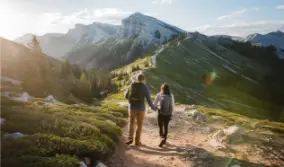
Walking and hiking serve as beloved activities throughout the world. These activities provide natural exploration paths alongside benefits for your body’s wellbeing and your mental state and environmental ties. This guide provides all necessary information about walking and hiking activities along with trail recommendations and answers to commonly asked questions and safety precautions.
The Distinct Differences Between Walking and Hiking and Trekking?
The terms walking hiking and trekking reflect three diverse experiences which vary through their intensity level as well as their functional purposes and geographic elements.
Walking
Low-impact activities take place on flat paved areas throughout parks and sidewalks as well as boardwalks.
To join you need only comfortable walking shoes and perhaps other minimal equipment.
People from any fitness experience can engage with this activity because it functions as regular movement and straightforward exercise.
Hiking
Walking in the outdoors becomes hiking when you explore forests or mountains or countryside trails.
Structural contrast between terrain features joins with elevation changes and extended ranges of distance.
The activity of hiking requires specialized equipment for safe interactions (toughest hiking footwear and backpacks) with necessary scheduling in advance.
Trekking
The sport of trekking surpasses hiking because it takes hikers through demanding wilderness areas for several days at a time.
Trekking at this level requires three important elements: adequate camping supplies, enough food and demanding physical conditioning.
Nature puts your ability to bear difficulties to the test when you plan a trekking expedition.
Why is Walking Called Hiking?
Being ‘a hiker’ means doing some physical and mental work while going through normal places in nature. With outdoor exploration becoming more popular, the term separated out normal walking from the trekking trails and hills.
Trail Walking, Hiking, and Trekking Gear Recommendations
Gear is important to make sure you’re safe and comfy. Here are some tips to consider when gearing up for your next outdoor adventure:
Footwear:
Invest in good climbing boots or trail shoes with good traction and support for the ankle so that you don’t slip, trip and fall.
Backpack:
In order to carry your all office essentials and look organized all the time, you need a durable backpack with multiple compartments so that everything gets organized and you can quickly access it while you need.
Navigation Tools:
Tools are crucial when it comes to helping steer you on the right trails – whether it’s a map, compass, or GPS device. Before going out, you’ve got to make sure you know how to use them.
Weather Appropriate Clothing:
Wear sweat wicking layers that let you dress in layers to keep you comfy and protect you from the elements. Elements like a waterproof rain jacket and a hat for sun protection won’t hurt memory recall.
First Aid Kit:
You never know, anything could happen so it’s best to be prepared. Not too big and not too small, a simple first aid kit to have in your backpack to provide whatever is needed in the event of an accident.
Safety Gear:
Depending on terrain and difficulty level of your journey, safety gear like trekking poles, a head lamp, whistle if there are emergencies.
Always do your study before following any trail. This does not include all possible types of gear you may need based on which terrain and/or environment you’re going into. Also, spend in good gear; good quality gear that will last you several adventures and keeps you safe during them.
Walking vs. Hiking Shoes
Getting your footwear right with in helping you stay injury free while enjoying your activity is important. Here’s how they differ:
Walking Shoes:
Designed for flat, stable areas. Lightweight, flexible, and with less grip. For use in urban parks or walking paths.
Best for: Daily strolls or light walks.
Hiking Shoes:
Being built for thicker soles, the grip trend is improved, and the ankle support is also better. Waterproof or water resistant are many climbing shoes.
Best for: Trails, rocky terrains, or high inclines.
Knowing which shoe to wear can make all the difference when it comes to your walking or climbing.
Top Trail Recommendations for Walkers and Hikers
1. Appalachian Trail, USA
Length: 2,190 miles (3,524 km)
The Appalachian Trail, one of the world’s longest hiking only footpaths, meanders through pictureque woodlands, rugged mountains and varied habitats. Whether for a short part, or the grand thru-hike, set your pace and submerge yourself into history and adventure.
2. Inca Trail, Peru Length: 26 miles (42 km)
Hiking the Andes Mountains for Machu Picchu represents bucket list stuff—breathtaking archaeological sites, cloud forests and exciting mountain passes.
3. Milford Track, New Zealand
Length: 33 miles (53.5 km)
The Milford Track may not be on your list, but with mind blowing waterfalls, river valleys and lush rain forests, it is known as ‘the best walk in the world’. Ideal for the nature lover looking for an awe inspiring break.
4. Annapurna Circuit, Nepal
Length: Approximately 145 miles (233 km)
This is a dramatic mountain trek through the Himalayas full of fantastic culture villages, unbelievable challenges and unbeatable beauty – challenging explorers who want to witness pristine beauty.
5. Torres Del Paine Circuit, Chile
Length: Over 62 miles (100 km)
Torres Del Paine Circuit is the best image of Patagonia as glaciers, turquoise lakes, and jagged peaks. One of the most scenic treks in the world called.
6. Overland Track, Australia Length: 40 miles (65 km)
Hikers can also follow Overland Track across stunning alpine plateaus and eucalyptus forests in Tasmania. It ends up at the famous rocks of Lake St Clair.
Trail Walking Tips for Beginners & Pros Alike
If you want a middle ground between a relaxed walk and an adventurous hike, trail walking, was just what I was looking for. Being prepared along with mindfulness makes it a success no matter if you are walking a forest path or a national park track.
Key Tips for Trail Walking:
- Start Small: Start with shorter, beginner friendly trails … before venturing out to more advanced area.
- Check the Weather: Mind sudden change, especially where wooded or coastal trails.
- Pack Lightly: Things like water, snacks, sunscreen, and please bring a simple first aid kit if you’re able to.
- Stay Hydrated: To avoid buggin’, sip often, but especially if you’re on a hot or dry path.
- Wear Layers: Trail temperatures can drop quickly. Dress in lightweight, moisture-wicking layers.
- Stick to Trails: Don’t look for unmarked roads because these can hurt you or cause damage to the environment.
Safety Tips for Hiking to Get Ready
Hiking is exciting and painful. To stay safe and enjoy your outdoor trip, make sure you do these things:
- You should always let someone know where you plan on hiking your trail route and when you expect to return.
- When you’re about to leave, look at the road conditions and weather news.
- So bring lots of water; if you can drink salt water so much the better; snacks that will give you energy; and gear that will last.
- Know how to use a map, compass or GPS gadget, and what they look like.
- Know you have the right hiking gear for the weather, and if you need additional waterproof clothes.
- Be aware in the area for wildlife. Find out how to be safe around animals.
- Don’t go down tracks that have been marked.
- Protect the trails and ecosystems for future explorers by following Leave No Trace guidelines.
Preparation is everything if you’re going through a national park or climbing on the steep inclines of a famous mountain range.
How do you walk, hike, trek?
All that happens in the end is that it’s about what you like and what you want to work for. It’s easy and cheap to get moving and walking is the easiest and cheapest of all. Going for a hike raises the stress and gets you closer to nature. To be able to trek doesnt mean you have to be one to over hear everything that is going on.
Tips for Staying Safe on the Trails
However, trail walking, hiking, and trekking are enjoyable activities, but there is linked with potential danger. To ensure a safe and enjoyable journey, here are some tips to keep in mind:
- Plan ahead: Read up on the trail that you are planning on hiking, and get to know the grade of difficulty, terrain, weather conditions and so.
- Bring a map or guidance tool: Before you leave make sure you know how to read a map or how to use a navigation tool. Being able to always know where you are will help you not get lost.
- Stay on marked trails: One dangerous thing about doing it off the approved path is you’re likely to get off path and end up in unfamiliar terrain, which could result in injury.
- Inform someone of your plans: Go somewhere with the person you’re leaving with, and let them know where you’re going, when you expect to return and who they can call if there is an issue.
- Check the weather: Before going out, make sure you’re keeping an eye on the weather forecast. Never ever walk during severe weather conditions.
- Be mindful of wildlife: Thou shalt not disturb or get near animals and their environments. Be aware that if there is a potential wildlife encounter study before you encounter!
- Stay wet and fueled: Make sure you bring sufficient water as well as snacks, so you don’t get tired.”
- Dress appropriately: Always wear proper clothing for the terrain, weather conditions. Include taking extra layers if temp goes cold or hot.
By following these safety tips, you will help lower the risk of you and your outdoor time. But as you’ll know, when it comes to adventure in the great outdoors, safety should always be your number one priority.
Final Thoughts
It’s amazing to have that connection with the natural world and we suggest walking, hiking or trekking in some cases. Both are also great for beginners just getting started as casual walkers, and you’ll find trails near you for adventurers of all levels: the Appalachian, Milford, etc.
When you know you’re ready to lace up your walking or hiking shoes the next time, do plan, stay safe, and enjoy beautiful moments. The first step is the one that takes you on your trip, so take that step today!
FAQs
When is the difference between walking and hiking?
It’s a long trekking day featuring tough terrain over a few days, so there’s prep involved. By marked, we mean trails which everyone follows and knows the end point of the hike.
What is different about walking than hiking?
Smooth, man made ways, little change in elevation while walking, and natural areas, uneven surfaces and climbs while hiking.
Is it just me who likes to hike instead of walking?
Yes. Often you must have specialized footwear, pack (backpack), trekking poles, and safety equipment (compass, maps, etc.). You don’t need to have the sneakers of your dreams to get out and walk.
What is the difference between trail walking and hiking?
Hiking, and by extension trail walking, offers a milder alternative to trail backpacking, featuring shorter, less demanding forest or city park paths needing minimal preparation and little gear.
Pingback: Banana Spiders Bites & First Aid Prevention Guide - Thrive in Balance, Glow with Vitality