
Introduction
Mysterious red welts and skin itching traps you when you wake up from sleep? The corners of your house contain either small fuzzy bugs or their larvae.
If your answer is “yes,” you might be dealing with a carpet beetle bites. Carpet beetles prove to be more troublesome than annoyance because they trigger allergic reactions in people yet also destroy household possessions while creating distress for homeowners alongside parents and pet owners.
This ultimate resource provides information about carpet beetle behavior and how to recognize their attacks and shows you the complete solution for removing them permanently. The guide will present expert information and authentic experiences which will help you safeguard your property and family members.
What Are Carpet Beetles?
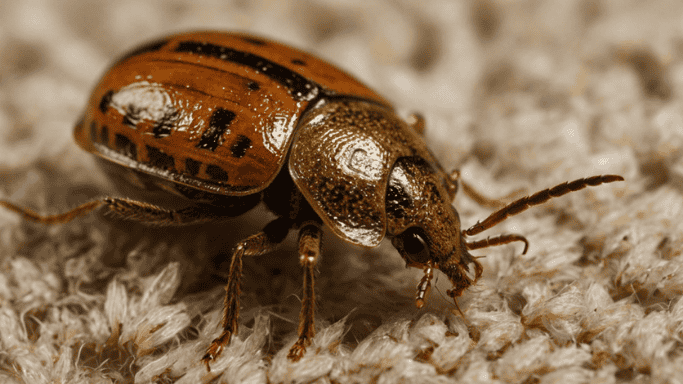
Insects of the Dermestidae family are known as carpet beetles with their small organism status. Carpet beetles keep their name although they infest more than carpets as they consume various organic materials from clothing to upholstery and animal hair. Carpet beetle adults measure 1/16 to 1/8 inches long and present either black shades or mottled brown and white colors.
The larvae, often referred to as “woolly bears,” are a bigger problem. These micro-sized beasts with their soft hairs maintain a voracious appetite as well as destructive behavior. Carpet beetles conceal themselves in dark locations containing no activity such as underneath furniture and in storage areas and inside cloth materials. Although carpet beetles are not bloodthirsty the larvae from these beetles might cause allergic reactions resulting in skin irritations that falsely resemble insect bites.
Recognizing Carpet Beetle Bites
The marks that appear from carpet beetle contact with the human body are not actual carpet beetle bites because these beetles do not actually consume human flesh.
It is essential to know that carpet beetles do not have a biting habit when it comes to human contact. People develop red itchy patches which they mistake for carpet beetle bites although these reactions stem from allergic responses to carpet beetle larvae hair or shed skin.
How to Identify a Reaction:
- Small red skin areas which itch and resemble insect bite marks appear around the body.
- The skin areas which are exposed to the air develop red rash-like irritations specifically on hands, arms, and neck.
- Chest-area welts can appear when touching items such as clothing, furniture or bedding that is infested by carpet beetle larvae.
Many people mistake their skin reactions for bed bug or mosquito bites so it becomes a common misdiagnosis. A carpet beetle bite rash will not develop swollen features which would mimic bed bug bite patterns or group in consistent distributions. Check the interior and exterior living spaces for larvae because carpet beetle infestations can indicate their presence.
Health Risks of Carpet Beetle Bites Allergies
Carpet beetle rashes do not cause serious problems but they lead to skin discomfort along with possible allergic reactions in rare cases. Dr. Dr. Sarah Johnson the allergist states that carpet beetle bites tend to be innocuous yet specific individuals could develop severe allergic reactions after being bitten. Constant observation of symptoms together with consulting professional medical advice is essential.
Potential Health Concerns:
- Skin Irritations:
The carpet beetle larvae possess bristles that cause sensitive skin irritation because it produces itching sensations and makes skin surfaces become red and swollen.
- Secondary Infection Risks:
When affected locations undergo excessive scratching it becomes possible to develop infections.
- Respiratory Issues:
Sensitized people might experience breathing problems after they inhale carpet beetle debris or their hairs.
Seek medical attention when symptoms become untreated or when you notice their worsening state especially for children under five years old or people who suffer allergy problems.
Prevention Tips to Keep Carpet Beetle Bites Out
People avoid encountering carpet beetle outbreaks because such invasions create major problems. The good news? Appropriate measures enable homeowners to stop carpet beetles from invading their properties.
Here’s What You Can Do:
Vacuum Regularly:
You should vacuum regularly because dust together with pet hair tends to gather near furniture feet and under baseboards. Dr. Emily Carter, an entomologist, stresses, “Regular vacuuming, especially in areas where pet hair accumulates, can significantly reduce the risk of carpet beetle infestations.”
Store Items Properly:
Use sealed plastic storage containers to protect your clothing and fabrics because any extended storage undertakes an airtight approach. To protect natural fibers and wool substances you can use cedar blocks along with mothballs.
Maintain a Clean Home:
House maintenance should include regular surface wiping along with prompt spill management and dry home conditions since these steps prevent beetle establishment. John Miller, a pest control specialist, notes, “Addressing spills and messes promptly is crucial in preventing them from establishing a presence in your home.”
Inspect Secondhand Items:
Check thrift store and antique items and items you inherit for beetle larvae as well as damage signs before bringing them into the household living area.
Protect Pets:
Pet owners need to weekly groom their pets because carpet beetles tend to be drawn to their fur and skin dander. Regular washing of pet bedding help diminish the chances of carpet beetle bites.
Seal Entry Points:
Sealing every entry point becomes essential through screens and caulk because this stops adult beetles from getting inside.
Treatment Options for Carpet Beetle Bites and Infestations
When carpet beetle infestations appear despite your prevention efforts you should maintain your composure. Carpet beetles become vulnerable to elimination through proper elimination methods.
Step-by-Step Treatment Plan:
Treat Skin Reactions:
Rash reactions should be treated using anti-itch creams together with antihistamines as a way to reduce skin irritation. See a doctor immediately upon the persistence of symptoms.
Deep Clean Your Home:
A precise cleaning method involves an extensive vacuum run targeting carpets plus furniture and all hidden areas. Right after vacuuming you should dispose of the bag because failure to do so can lead to more beetle infestation.
Wash and Dry Items:
Place soiled fabrics and clothing items inside hot water for washing before drying them in the heating cycle to eliminate all remaining carpet beetles and their larvae.
Use Natural Repellents:
Sprinkle diatomaceous earth and apply cedar oil solutions to affected areas as they represent chemical-free repellents suitable for families with children and pets.
Apply Chemical Solutions:
Professional-grade chemical treatments are necessary for carpet beetle control areas because only specific insecticides will work. Target baseboards together with closets as well as storage areas infected by these insects.
Call the Pros:
People should call professional pest control services if they feel unsure about their pest situation. They will solve the pest issue while giving you the right solutions for continued pest prevention.
Real-Life Stories for Inspiration:
- The Smiths found carpet beetle infestation while trying to find reasons for their infant’s rash outbreaks in the nursery at their home. Their prompt solution of the infestation was possible through both professional pest control assistance and regular proper cleaning practices.
- The Johnsons permanently removed carpet beetle infestations on their dog’s fur by grooming their pet regularly alongside creating a consistent cleaning routine that targeted the bedding. This eliminated the beetles while giving their pet much-needed relief.
The Use of Active Measures Provides Safety to Your Property and Householders
Although small in size carpet beetles create serious discomfort which leads to enough frustration for anyone. Taking steps to identify carpet beetles and preventing them while using proper treatments enables you to safeguard both human residents and your pets in your home.
Has carpet beetle bites ever affected your household? Your previous methods both helped and failed to prevent or eliminate the problem. Please share your carpet beetle experiences through the comment section of this article.