
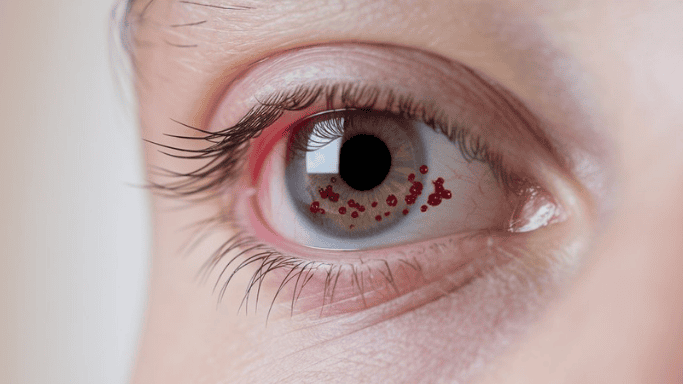
Pink eye or conjunctivitis represents a widespread eye condition which affects people at least one time throughout their lives. The usual mild nature of conjunctivitis sometimes develops into severe symptoms which include bleeding from the eyes. Small blood vessels in the eyes break and create redness and tiny visible areas with blood. You should not worry if you observe this condition. This article examines the sources of conjunctivitis bleeding along with its potential risks and provides self-treatment methods. You will find answers to typical questions about this condition throughout this text.
What Is Conjunctivitis Bleeding?
When the thin clear membrane of the eye called conjunctiva breaks its small blood vessels it leads to conjunctivitis bleeding. Bleeding in the eye creates redness which may expose tiny blood areas. The condition appears severe but most of the time indicates no major health issue. The treatment of conjunctivitis bleeding needs clarification about its origins as well as appropriate management methods.
Further Reading:
The Truth About Worms in Eyes: Myths, Facts, and Prevention Tips
Causes of Conjunctivitis Bleeding
Knowledge about what causes conjunctivitis bleeding enables people to protect their eyes from further bleeding incidents and determine when professional medical attention is necessary. The following list contains the main reasons behind conjunctivitis bleeding.
1. Infections
The most widespread reason leading to conjunctivitis development is infections. These can be:
The presence of viral infections typically results from common colds or influenza.
Bacterial infections: Caused by bacteria like Staphylococcus or Streptococcus.
Fungal infections: Rare but possible, especially in people with weakened immune systems.
The infection of the eye leads to inflammation of the affected tissue. The blood vessels become fragile when inflammation occurs and this results in bleeding.
2. Allergies
Severe allergic reactions result in severe eye itching and substantial irritations. Eye rubbing with excessive force can damage the delicate blood vessels which leads to bleeding. Different substances such as pollen, dust and pet dander function as common allergy agents.
3. Dry Eyes
Your eyes suffer from dry eye syndrome when they cannot create enough tears or when tears quickly disappear from the surface of your eyes. Dryness of the conjunctiva makes it both thin and sensitive thus raising the possibility of bleeding.
4. Eye Injuries
Any minor damage to your eyes from scratching or foreign objects can initiate bleeding within the eye. A current conjunctivitis infection elevates your chances of bleeding when your eyes sustain an injury.
5. Underlying Health Conditions
Health problems including high blood pressure as well as blood disorders can increase your chance of bleeding. People with these health conditions may experience a higher chance of bleeding during conjunctivitis attacks.
Risks of Conjunctivitis Bleeding
The typical bleeding from conjunctivitis poses no severe threat to health although certain potential risks must be understood.
1. Infection Spread
A bleeding infection from conjunctivitis has the potential to move between both eyes and from person to person. Bacterial and viral conjunctivitis have particular risk factors for bleeding episodes.
2. Vision Problems
Bleeding from conjunctivitis can occasionally lead to vision impairment when severe bleeding occurs repeatedly. The bleeding increases risk when medical care is inadequate for treatment.
3. Pain and Discomfort
The eye becomes uncomfortable along with feeling sore and itchy because of bleeding. Eye bleeding creates difficulties in performing your daily tasks and hinders your ability to concentrate.
4. Scarring
Repeated injuries or inflammation of the conjunctiva may result in scarring of the eye. The eye surface develops permanent difficulties because of this condition.
Home Remedies for Conjunctivitis Bleeding
Several self-care measures exist to help healing of conjunctivitis bleeding when you experience it. Here are some effective remedies:
1. Cold Compress
A cold compress works to reduce swelling as well as control bleeding. Here’s how to do it:
- A clean cloth needs to be saturated with cold water.
- After squeezing the extra water from the cloth apply it to your eye that is shut.
- Leave it on for 10-15 minutes. Repeat several times a day.
2. Keep It Clean
You need to practice good hygiene practices during the management of conjunctivitis bleeding. Follow these steps:
- You should wash your hands repeatedly with basic soap and running water.
- You should prevent any contact or movement of your eyes with your hands.
- A fresh towel should be used each day together with new pillowcase replacements.
3. Stay Hydrated
The consumption of adequate water supplies maintains eye moisture. The treatment becomes more crucial when dry eyes contribute to the condition.
4. Use Artificial Tears
Artificial tears purchased without prescription offer lubrication to your eyes and help minimize irritation. Frequent users should select preservative-free products when making their choice.
5. Avoid Irritants
You should avoid exposure to smoke and dust along with other substances that worsen your symptoms. Contact lens wearers should replace their lenses with glasses until their eyes fully recover.
When to See a Doctor
Home remedies work effectively yet medical attention becomes necessary in particular situations. Seek medical attention if:
- Conjunctivitis bleeding fails to resolve itself within the first few days.
- Your symptoms include intense pain together with altered vision.
- The redness spreads to both eyes.
- You experience significant amounts of discharge combined with pus.
- You experience both fever and general sickness.
A doctor will perform tests to identify hidden issues before recommending antibiotic medications and steroid eye drops for treatment.
Preventing Conjunctivitis Bleeding
The prevention of health problems proves more beneficial than their treatment later on. The following steps will help you prevent conjunctivitis bleeding from occurring:
1. Practice Good Hygiene
- Wash your hands frequently.
- The sharing of towels and eye drops and makeup items between individuals should be strictly avoided.
2. Manage Allergies
- Take allergy medications as prescribed.
- A humidifier will help maintain air moisture levels.
3. Protect Your Eyes
- You should wear sunglasses to protect your eyes from dust and wind exposure.
- Safety goggles become necessary for workers operating in dangerous areas.
4. Stay Healthy
- Consume food that contains both vitamins A and C in addition to other essential nutrients.
- Keep yourself hydrated while also obtaining sufficient sleep at night.
Conclusion
Bleeding from conjunctivitis cases creates anxiety but medical experts confirm it does not indicate serious medical issues. Knowledge about both triggers and potential risks will help you implement proper management strategies. Cold compresses combined with proper hygiene practices function as effective treatments for this condition. Your doctor must be consulted immediately if you have persistent bleeding or develop severe symptoms. Your eyes require proper care both for proper vision health and whole body wellness.
FAQs
Can conjunctivitis bleeding cause blindness?
No, conjunctivitis bleeding usually doesn’t cause blindness. However, if left untreated, it could lead to complications that affect your vision.
How long does conjunctivitis bleeding last?
It often goes away in a few days with proper care. If it lasts longer, consult a doctor.
Can I wear contact lenses with conjunctivitis bleeding?
No, avoid contact lenses until your eye heals. They can irritate the eye and make the problem worse.
Is conjunctivitis bleeding contagious?
If it’s caused by an infection, it can be contagious. Wash your hands often and avoid sharing personal items.
What should I avoid if I have conjunctivitis bleeding?
Avoid rubbing your eyes, wearing makeup, or using contact lenses. Also, stay away from smoke and other irritants.
Can children get conjunctivitis bleeding?
Yes, children can get conjunctivitis bleeding, especially if they rub their eyes a lot. Make sure they practice good hygiene.
Are there any long-term effects of conjunctivitis bleeding?
In most cases, there are no long-term effects. However, repeated episodes or severe cases could lead to scarring or vision problems.
Can stress cause conjunctivitis bleeding?
Stress itself doesn’t cause conjunctivitis bleeding, but it can weaken your immune system, making you more prone to infections.