
Introduction to Isabella Piercings
The world of body piercings offers countless ways to express yourself, and the Isabella piercing stands out as one of the most unique and intimate options available today.
The vertical clitoral hood piercing has gained widespread popularity because it blends attractive looks with possible sexual advantages.
Whether you’re a piercing enthusiast or considering your first intimate piercing, this comprehensive guide will walk you through every aspect of the Isabella piercing experience.
What Exactly Is an Isabella Piercing?
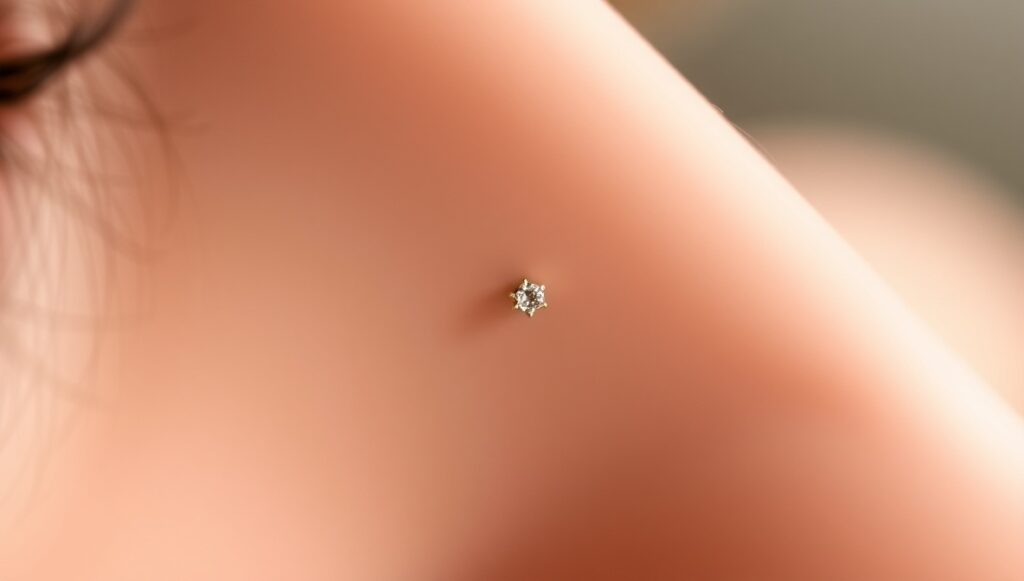
An Isabella piercing is a vertical piercing that passes through the center of the clitoral hood. Among the well-known genital piercings the VCH (Vertical Clitoral Hood) and HCH (Horizontal Clitoral Hood) stands apart because it features a unique central position. The piercing bears the name of Isabella “Bella” Conti because she was both a pioneer and promoter of this particular piercing technique.
Anatomy and Placement
- The Isabella piercing requires specific anatomical considerations:
- The piercing runs straight through the core area of the clitoral hood tissue.
- The piercing jewelry maintains equal positions above the clitoris.
- Correct placement holds essential value for achieving both an attractive and comfortable result.
Your anatomy will get a thorough examination by an expert piercer during the consultation to determine if this piercing suits you. Not everyone has the ideal anatomy for an Isabella piercing, which makes the consultation process particularly important.
Read more:
7 Vertical Clit Hood Piercings: A Bold Choice for Intimate Body Modifications
Dermal Implants Piercing: Complete Guide to Style, Safety, Aftercare
Back Dimples and Sacral Dimple: Causes, Genetics & Meaning
Why Choose an Isabella Piercing?
Aesthetic Appeal
- The Isabella piercing offers a delicate yet striking look. When properly placed:
- The piercing arrangement produces a well-proportioned symmetrical visual effect.
- The upright position creates an uncommon visual appearance.
- People can select jewelry that ranges from discreet to attention-grabbing accessories.
Potential Sensitivity Effects
- People commonly ask about the sexual aspects which come with getting an Isabella piercing.
- Some wearers report increased sensitivity
- The piercing improves sensual stimulation when people engage in intimate contact with their partners.
- Every individual experiences different outcomes with this piercing
Personal Expression
- This piercing type stands as an audacious way for people to share themselves with the world.
- Offers a more unique alternative to common genital piercings
- This type of personal body decoration serves as a confidence builder.
The Piercing Process: What to Expect
Before Your Appointment
- Research studios should be selected based on their APP certification and their expertise in genital piercing.
- Most reputable piercers need clients to arrange a consultation appointment before starting.
- Physical preparation includes a shower followed by the wearing of loose comfortable attire.
- You should expect to experience normal nervousness yet your professional piercer will provide you with support.
During the Procedure
The piercing procedure includes these main steps for the actual process:
- The piercer will carefully draw marks to indicate where the entrance and exit points should be.
- The piercer will execute a complete sterilization process on the area.
- Through piercing the hollow needle serves as the instrument which forms the jewelry channel.
- The piercer will immediately install your starter jewelry.
- You will get step-by-step guidelines for caring for your newly pierced area.
Pain Level and Sensation
The experience of pain differs significantly from person to person although most people describe it as:
- A sharp, intense pinch during the actual piercing
- Quick procedure (often under 10 seconds of discomfort)
- A person experiences mild throbbing sensations with warmth that disappears swiftly after the procedure.
The Big Question: Does It Hurt?
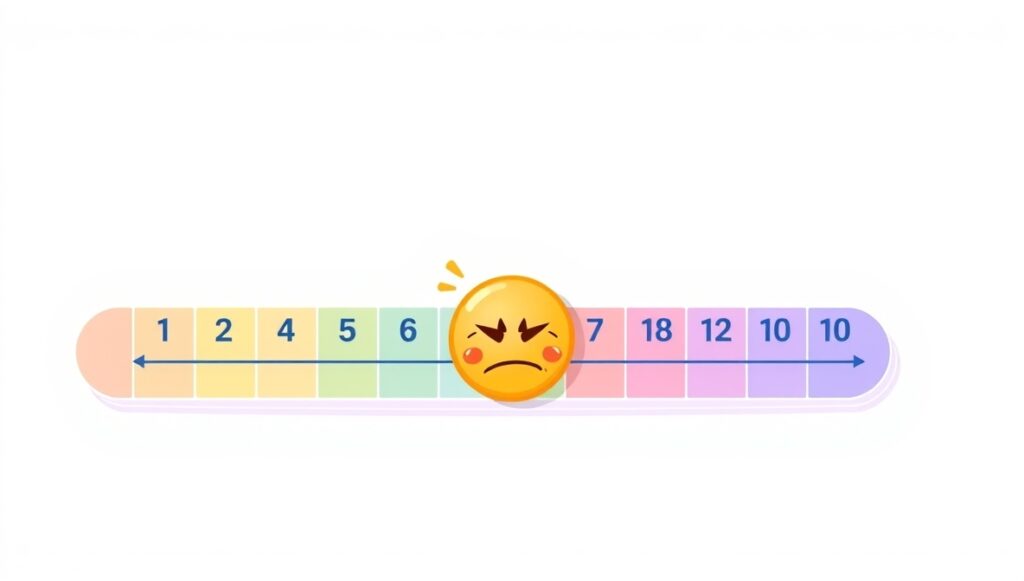
No piercing procedure is totally painless when performed in such sensitive parts of the body. But how bad is it really?
Pain Level Breakdown
- During the Piercing: A sharp pinch (around a 6/10 on the pain scale).
- The area produces a gentle throb for several hours that reminds you of a faint pain.
- The healing period results in minor discomfort which disappears when you follow proper aftercare procedures.
Pro Tip: Breathing deeply during the piercing helps ease tension!
Healing Timeline & Aftercare Must-Dos
Healing an Isabella piercing takes 4-6 months—patience is key! These steps will help maintain your piercer’s health:
Do’s:
✔ Clean 2x daily with sterile saline solution (no harsh soaps!).
✔ Use loose breathable cotton underwear as your best choice for this area.
✔ After the healing process permits sexual activity you should rinse with water before intimacy.
✔ It is important to sleep without wearing tight clothing because this helps prevent skin irritation.
Don’ts:
✖ The risk of infection exists when you touch the piercing with unclean hands because bacteria can cause infections.
✖ The piercing site requires complete avoidance of swimming pools along with hot tubs and baths during a minimum period of 6-8 weeks.
✖ You should wait at least six weeks until you resume sexual activity following the piercing procedure.
✖ Scented products must be avoided because they might irritate the skin.
Potential Risks & How to Avoid Them
Like any piercing, the Isabella piercing comes with a few risks:
- A piercing infection will show as redness combined with swelling and unusual discharge. See your piercer ASAP.
- Your body will naturally force out the jewelry if it shows signs of rejection.
- Unprofessional placement procedures and inadequate post-care can lead to the piercing shifting its position.
How to lower risks? Consult with a piercer who has extensive experience and strictly follow aftercare instructions and pay attention to any signals your body sends.
Jewelry Choices: What Works Best?
The initial piece you will use is a straight barbell made from implant-grade titanium or surgical steel. Once healed, you can explore:
- Curved barbells
- Decorative ends– The decorative sections include gemstones or spikes or small add-ons for decoration.
- Small hoops (if anatomy allows)
You must stay away from low-cost metals because they tend to produce allergic responses and skin irritations.
How Much Does an Isabella Piercing Cost?
Prices range from
60to
60to150, depending on:
- The price of studio services increases with their experience level while the cost of experienced piercers exceeds that of beginners.
- Titanium-based jewelry costs more than surgical steel-based items in the market.
- The cost of piercings depends on studio location because big-city studios tend to charge more than others.
The selection of a piercer must never depend exclusively on cost because safety remains the top priority.
Isabella Piercing vs. Other Intimate Piercings
Wondering how it compares? Here’s a quick breakdown:
| Piercing Type | Placement | Pain Level | Healing Time |
| Isabella | Clitoral hood (vertical) | 6/10 | 4-6 months |
| VCH | Vertical clitoral hood | 5/10 | 6-8 weeks |
| HCH | Horizontal clitoral hood | 5/10 | 6-8 weeks |
| Christina | Above pubic mound | 4/10 | 6-9 months |
The Isabella piercing is a bit more intense than a VCH but offers a unique look.
The final assessment reveals whether this procedure delivers value to your needs.
Getting this unique piercing definitely suits those who love distinct body jewelry and are willing to endure the healing process. Just make sure to:
✅ Choose a skilled piercer (check reviews and portfolios).
✅ Follow aftercare religiously (no shortcuts!).
✅ Good results require time for healing processes to reach their best state.
FAQs About Isabella Piercing
How long before I can change the jewelry?
Wait at least 4-6 months—changing too soon can cause irritation or complications.
Can I use numbing cream before getting pierced?
Most piercers advise against it—it can affect skin elasticity and healing.
Will Isabella Piercing increase sensitivity?
Some people notice a difference, others don’t. It depends on your anatomy!
What’s the best jewelry material?
Start with implant-grade titanium—it’s hypoallergenic and body-friendly.
Can I remove it later if I don’t like it?
Yes, but it may leave a tiny scar. Most close up fine if removed early.
How do I find a reputable piercer?
Look for APP-certified studios, check portfolios, and read reviews!
Ready to take the plunge? If you’re looking for a piercing that’s equal parts sexy and unique, the Isabella piercing might be your perfect match. Safety comes first followed by patience while style always remains the priority. 💎
Loved this guide? Spread the information to your group of piercing enthusiasts. Got more questions?