
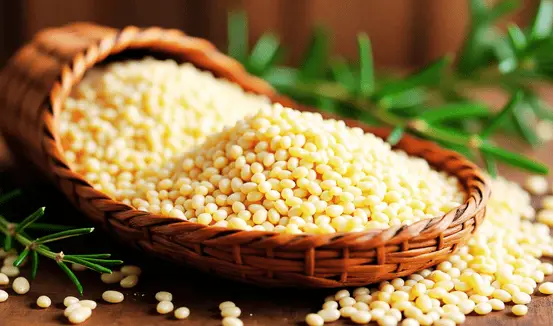
As a powerful alternative to conventional grains, millets has been getting attention. This ancient super food is making a comeback in modern kitchens because it is loaded with nutrients, naturally gluten free, and super flexible. Millet can be a great grain for you to explore healthier eating habits, changes to a gluten free diet or just in your quest to grow your culinary repertoire.
Read on in this blog post as we explore everything you need to know about millet; origins, nutritional profile, health benefits and how to incorporate it into your meals.
What Is Millet? A Grain with Ancient Roots
Millet is an old grain that has been a basis of everyday meals in Asia and Africa for thousands of years. Millet is a grass family of millet which includes pearl millet, finger millet and foxtail millet. A resilient crop, known for its small, round seeds, this crop in particular grows well in arid and semi-arid areas where, among other things, it plays a key role in sustainable agriculture.
Where once millet was a regular daily part of the meal in many cultures, it has historically been celebrated for its high nutritional value. But with the increased cultivation of more commercially produced crops such as rice and wheat, millet did not attain a position in world cuisines. But it’s recently been on a comeback because of its nutrient density, affordability, and eco friendly cultivation.
Nutritional Profile of Millet
Millet is rich in an impressive nutritional profile full of essential nutrients vital to overall health. It is different than other wheat and rice based foods because …
Macronutrients:
-
- Comprising complex carbohydrates designed to provide long energy.
-
- Supporting muscle strength and repair, and high in protein (depending on the variety).
-
- It is rich in healthy unsaturated fats and has a good effect on heart health.
Micronutrients:
-
- Metabolism, nerve and muscle activity, magnesium.
-
- Vitamin B-complex: It helps in production of energy and the brain function.
-
- Iron: Helps fight anemia.
-
- Zinc: It is good for immunity and good for wound healing.
Rich in Fiber
Millet is a more robust, more well fibred grain than other refined grains. It helps regulate blood sugar levels, nourish the gut and make us feel full, as fiber does help with overeating.
Comparison with Other Grains
Similar—or better—nutritional profiles to quinoa and brown rice but cheaper is the beauty of millets. Plus, with a lower glycemic index they are a great option for stabilizing blood sugar levels.
Millet Symbol Millet Millets not only are kitchen staples, but they offer a plethora of health benefits. And what you can do to supplement the benefits millet offers with your own lifestyle choices.
1. Supports Digestive Health
Millet is high in fiber, which helps with healthy digestion. It can help relieve constipation, and encourage regular bowel movement, and maintains gut health.
2. Boosts Heart Health
Foxtail millet and other millets are magnesium and potassium rich and are good for blood pressure. Also whole grain millets help to reduce bad cholesterol (LDL) and promote a healthier cardiovascular system.
3. Aids Weight Management
Millet is low calorie and high in fiber, and is filling so is good for when you are craving something sweet. It is also high in protein to support weight loss by keeping you full and improving lean muscle mass.
4. Improves Blood Sugar Control
Millet is a low glycemic index food that’s great for managing your blood sugar. For folks with type 2 diabetes but who want to continue with optimal glucose control, it’s especially helpful.
5. Packed with Antioxidants
Antioxidants, like polyphenols and flavonoids gain from millets and aid in neutralizing nasty free radicals to lessen the threat of chronic maladies, for example, disease and swelling.
6. Promotes Bone Health
In particular finger millet is particularly loaded with calcium and magnesium which help strengthen bones making it an ideal food for post menopausal women and people at risk of osteoporosis.
Expert Opinion:
“Although Millets are still not a major staple crop, they are a powerhouse of nutrition, providing a unique combination of protein, fibre, minerals, which tend to be lacking in the diets of today.” Dr. Jane Nutrition, PhD in Food Science
Millet and Gluten Sensitivity
People with celiac disease or gluten intolerance find game changing in millet. It is naturally gluten free and safe and easy to stomach. Most recipes can be replaced with Millets and yummy staple for Gluten free cooking and baking.
Expert Insight:
“This is big news for people with gluten sensitivity who want to eat the way it’s meant to be eaten — safe and deliciously gluten free!” – Gluten Free Culinary Institute (Chef Alex)
Cooking with Millet
Millets also cook really well – very flexible in the kitchen. Let’s look at some easy ways millet can be included in your daily meals.
Breakfast Ideas
-
- Millet Porridge: Begin the day with a warmed bowl of millet cooked in almond milk and fruits and nuts.
-
- Millet Pancakes: For gluten free pancakes replace flour with millet flour.
Lunch and Dinner Ideas
-
- Millet Salad: Cook millet, toss with roasted veggies, fresh greens and a bright vingairette.
-
- Millet Bowl: Millet makes a great veggie-filled grain bowl blanketed by meats like tofu or grilled chicken.
-
- Millet Risotto: For a whole grain, nutrient dense risotto, substitute millet for arborio rice.
-
- Dessert Lovers Millet Pudding: Millet transformed into a lovely, spiced pudding that’s sweetened with dates or honey.
Chef Tip:
“Millet’s versatility in savory and sweet dishes makes it the perfect add for any kitchen and a source of nutrient rich diet.” Dr. Michael, Nutritionist & Author –
Buying and Storing Millet
If you want the best out of millet, follow these tips when choosing and storing your millet.
Buying: Buy organic so you aren’t dealing with pesticide residue. Make sure the millet is fresh and you are not serving stale.
Storing: Airtight jar in a cool, dry place and store millet. If you want to keep it as fresh as you can, refrigerate it.
Here’s why this grain must make its way into your diet.
Not only does millet help boost your nutrition when you switch to it, it also helps support healthy agriculture. Drought resistant, easy to grow with little farmer time and resources needed, and good for soil health, millets are one of our better on the field crops.
Millet ‘s nutritional value increases when it becomes part of your meals and lends a helping hand to sustainable agriculture, which is a bonus for your health and environment. – A Sustainable Food Advocate, Dr. Maria
Beginning with taking the First Step Towards Healthier Eating.
Once you have learned all this about millet, why not give this almost humble grain a go? In its nutritional profile, as well as in its various health benefits, millet is one food you absolutely want to have in your diet if you are looking to make healthful food choices.
Today put millet in your food, and experience the rich flavors and amazing versatility of this underappreciated grain. Wish you would tell us how you’ve played with millet, or ask those burning questions in the comments!
Conclusion: Millet Power in Your Diet
Therefore, millet is a robust type of grain, has a number of health advantages, and is another source of nutrients in your diet. Millet can be great for your body and the world — supporting digestive health and growing sustainable agriculture.
Millet doesn’t have to be boring in the kitchen! Versatile and being a great wheat replacement in many recipes, this nutritious grain can be included in your daily diet in any way you please.
Why not begin with millet as a way to add a healthy addition to your diet? It will thank your body and the earth. Millet is an amazing addition to any healthy eating plan, reserved in part due to its excellent nutritional profile. It’s one of these that you should remember to buy when next you go food shopping. Whether it’s your taste buds or your body, you’ll be thanking you! Happy millet cooking!