
Peripheral Artery Disease (PAD) is a condition that doesn’t just stop at affecting blood flow—it can leave telltale signs on your skin too. For the millions of people managing PAD, these skin changes are more than just cosmetic concerns. They often provide critical clues about the progression of the disease. Today, we’re unpacking how PAD impacts the skin, why early detection is key, and what steps patients can take to manage both the condition and its effects.
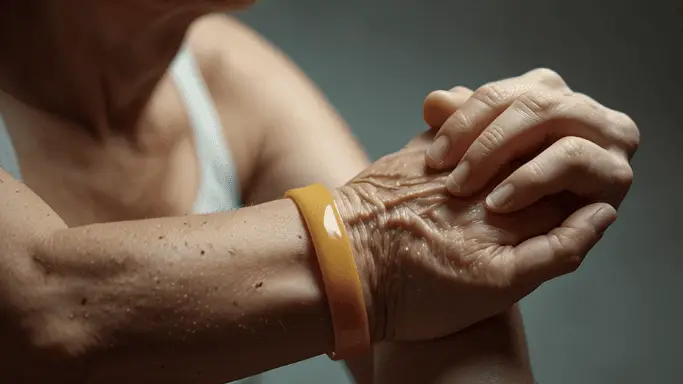
Whether you’re a medical professional looking for insights or a patient wanting to understand the connection between circulation and skin health, this guide has it all. From expert opinions to patient stories, we’ll help you gain a comprehensive understanding of PAD’s dermatological impact.
What is Peripheral Artery Disease (PAD)?
PAD is a circulatory condition that occurs when narrowed arteries restrict blood flow to the limbs. Most commonly affecting the legs, PAD often manifests with symptoms such as leg pain during walking (claudication) or wounds that fail to heal.
Did you know PAD affects nearly 8.5 million people in the United States alone? Risk factors include smoking, high cholesterol, diabetes, and age over 50. Although it primarily impacts blood flow, the condition doesn’t stop there—its reach extends skin-deep.
Dr. John Smith, vascular surgeon, explains, “Peripheral Artery Disease not only affects blood flow to the limbs but can also cause significant changes to the skin, leading to a variety of dermatological manifestations.”
How PAD Impacts Your Skin
When blood can’t properly circulate, the skin struggles to maintain its health and hydration. The connection between PAD and skin health lies in arterial circulation. Restricted blood flow means tissues—including the skin—miss out on the nutrients and oxygen they need to stay healthy.
What Happens to Skincare in PAD Patients?
- Loss of Nutrition: The skin’s inability to receive sufficient oxygen and nutrients leads to changes in texture, integrity, and color.
- Delayed Wound Healing: Cuts and ulcers can take weeks—or months—to heal due to poor tissue nutrition.
- Decreased Immune Function: Compromised blood flow makes it harder for the body to fight off infections.
Common Skin Changes in PAD Patients
Your skin can often signal you to an underlying vascular issue. Here are some of the common changes observed in PAD patients:
1. Color Changes
Skin with Peripheral Artery Disease (PAD) can appear pale, purple, or even shiny. You’ve likely heard terms like “pvd weight that is purple and shiny” mentioned online. This reflects ischemia (reduced blood flow), which leads to discoloration.
2. Dry or Tight Skin
Due to poor hydration, PAD skin often feels dry and looks tight. This makes it more prone to cracks and infections.
3. Ulcers and Non-Healing Wounds
Arterial insufficiency ulcers are one of the most alarming signs of PAD. They tend to form on the toes or lower legs and can worsen rapidly if untreated.
4. Loss of Hair Growth
Poor circulation impacts hair follicles, leading to sparse or patchy hair on the legs.
Dr. Emily Green, dermatologist, emphasizes, “Recognizing these skin changes early can be crucial in the timely diagnosis and management of PAD.”
Early Detection is Key
Skin changes are not just warning signs; they’re often PAD’s loudest alarm bells. Early recognition and intervention can make a world of difference, as untreated Peripheral Artery Disease (PAD) increases the risk of serious complications, including infections, gangrene, and amputations.
Dr. Samantha White, a wound care specialist, stresses, “A multidisciplinary approach involving vascular specialists, dermatologists, and primary care physicians is key in treating both the systemic and skin-related aspects of PAD.”
How is PAD Diagnosed?
If skin changes indicate PAD, a simple non-invasive test called the ankle-brachial index (ABI) is often the next step. It compares blood pressure in the ankle to that in the arm to identify arterial blockages.
Treatment Options for PAD and Skin Health
The good news? Managing PAD effectively can improve both vascular health and skin conditions. Here’s what treatments may look like:
Medical Interventions
- Medications: Drugs like antiplatelets or cholesterol-lowering statins improve circulation and reduce clot risks.
- Minimally-Invasive Procedures: Angioplasty and stenting can restore blood flow and significantly alleviate symptoms.
Skin-Specific Treatments
- Topical Ointments: Ulcers or wounds often require medicated dressings or antibiotic ointments to prevent infection.
- Advanced Therapies: Hyperbaric oxygen therapy or skin grafting may be used for severe wounds.
Dr. Michael Lee, a cardiologist, advises, “Patients with PAD should not only focus on improving their vascular health but also on maintaining healthy skin to prevent complications.”
Lifestyle Changes for Healthier Skin
Small but sustainable lifestyle tweaks can go a long way toward both managing Peripheral Artery Disease (PAD) and supporting your skin health. Here are some tips:
Diet and Exercise
- Nutritional Choices: A heart-healthy diet rich in omega-3s and antioxidants improves circulation.
- Daily Walks: Even light walking strengthens leg muscles and improves blood flow, reducing symptoms like claudication.
Skin Care Routine
Patients with PAD should:
- Moisturize daily with a fragrance-free cream to maintain skin hydration.
- Avoid hot water, which can dry out and irritate the skin.
- Protect their legs from injury or trauma to prevent wounds.
Quit Smoking
Nicotine damages blood vessels, and quitting can significantly slow PAD progression.
Real-Life Examples of Success
Patients who recognize and act on their skin changes early often report better outcomes. Take Mary, for instance:
“Mary, 65, noticed her legs turning purplish and her skin becoming shiny over the past year. After consulting her doctor, she was diagnosed with PAD. By committing to dietary improvements and daily exercise, Mary improved her Peripheral Artery Disease (PAD) symptoms and avoided further skin complications.”
These stories remind us that Peripheral Artery Disease (PAD) is manageable, and positive changes are always within reach.
Breakthroughs in PAD Management
Studies published by the American Heart Association indicate promising advancements in PAD treatment. From improved imaging techniques for earlier diagnosis to novel drugs aiming to enhance blood flow, the future is brighter than ever.
Medical professionals predict that emerging AI technologies will play a greater role in personalized Peripheral Artery Disease (PAD) care, allowing for tailored interventions that address both vascular and dermatological symptoms.
Take Control of PAD Today
Peripheral Artery Disease might affect your blood flow, but it doesn’t need to define your quality of life—or your skin health. By staying vigilant to its dermatological signs and seeking early intervention, you can pave the way for better health outcomes.
Want to learn more? Visit credible sources like the American Heart Association and explore new tools to manage Peripheral Artery Disease (PAD) symptoms. The earlier you act, the better the results—remember, healthy circulation equals healthy skin.