
Introduction
Stretch QL Muscle ability to move independently depends on physical flexibility and pain-free body function. The Quadratus Lumborum known as the QL stands among the least recognized muscles in this process.
Most fitness enthusiasts along with some healthcare practitioners fail to recognize this important muscle which provides essential stability and movement functions.
The following detailed piece educates readers about QL stretching techniques including proper methods and expert physiotherapy recommendations for enhanced mobility.
Further Reading:
Sore Muscles After Massage? Understand Your Body’s Signals
Understanding the Quadratus Lumborum or QL Muscle
What is the Quadratus Lumborum (QL) Muscle?
The Quadratus Lumborum exists as a deep muscle structure which positions itself on both sides of the lumbar spine in the human lower back region. This muscle extends from the iliac crest of the hip bone to the lower ribs as well as the transverse processes of the lumbar vertebrae. Although tiny in dimension the QL muscle becomes vital for spinal stability while regulating posture and controlling movement of the body.
Function of the QL Muscle
- This muscle enables trunk bending to the side.
- Spinal Stabilization: Stabilizes the lumbar spine during movement.
- The QL muscle helps the body control pelvic alignment.
Why the Quadratus Lumborum Muscle Gets Tight
The QL muscle develops tightness because of three main factors:
- Prolonged sitting or poor posture
- Repetitive one-sided activities
- Weak core muscles
The QL muscle tightens when people work out with unbalanced movements or when they excessively train other parts of their body.
The tightness of this muscle results in lower back pain and reduced mobility and causes hip and rib area pain to spread from the muscle. Regular stretching of the QL muscle remains essential for proper health maintenance.
Importance of Stretching QL Muscle
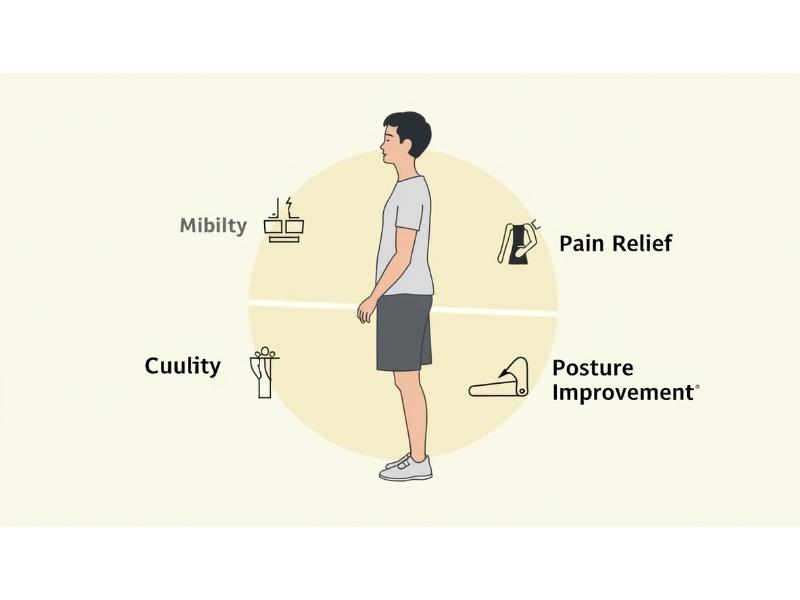
Enhanced Mobility
When your QL muscle stretches smoothly it enables better trunk mobility together with controlled lateral movements. The stretching of this muscle stands as a necessary practice for athletes together with dancers and all participants in dynamic motion.
Pain Relief
The QL muscles become a frequently unidentified source of lower back pain when they become too tight. Stretching enables the release of muscle knots while decreasing tension to deliver pain relief.
Injury Prevention
Regular exercise of the QL muscle promotes proper alignment between pelvis and spine and reduces the chances of physical activity-related injuries.
Better Posture
The QL muscle in good condition helps maintain upright posture which protects different joints and muscles from excessive strain.
Physiotherapist-Approved Techniques to Stretch QL Muscle
Static QL Stretch
How to Perform:
- Stand or sit tall.
- Raise your right arm overhead.
- Keep the extended arm in position while leaning toward the left side.
- Hold for 30 seconds.
- Switch sides.
Benefits:
- Simple yet effective
- Can be done almost anywhere
QL Stretch on a Stability Ball
How to Perform:
- Sit on a stability ball by placing your feet flat on the ground.
- Begin by walking your feet forward then lean your back while it touches the stability ball.
- Gently move your body left and right while keeping your arms extended overhead.
Benefits:
- Adds dynamic balance
- Engages core
Kneeling QL Stretch
How to Perform:
- Set your stance to a kneeling lunge position.
- Elevate the arm which corresponds to the leg in back position.
- Move your body toward the opposite direction of your extended arm.
- Keep this stretch position between 20 and 30 seconds before changing sides.
Benefits:
- Deepens the stretch
- Enhances hip flexibility
Doorway QL Stretch
How to Perform:
- Stand next to a doorframe.
- Angle your inside foot slightly ahead of your body.
- Reach overhead with the inside arm while leaning the body toward the doorframe.
- Perform the stretch and then continue it on the opposite side.
Benefits:
- Uses environmental support
Advanced QL Muscle Stretching Techniques
Myofascial Release with Foam Roller
Through foam rolling the body can achieve tension release within the QL area. Perform the rolling motions with slow speed over the lower back and lateral sides while stopping at any sensitive areas.
Active Isolated Stretching
The technique uses brief stretching movements which last for a duration of only two seconds. To perform the stretch effectively contract the muscle that opposes the target muscle.
Contract-Relax Techniques (PNF)
Proprioceptive Neuromuscular Facilitation involves:
- The QL muscle requires a short muscle contraction period.
- The stretch reaches maximum depth right after muscle relaxation.
- The technique offers good results yet healthcare supervision remains essential for its application.
Integration into Your Routine
Warm-Up
Light stretching of the QL muscles should be performed before physical activity to prepare them for exercise.
Cool-Down
The most appropriate time to perform deep stretches of the QL muscles occurs after exercise during periods of muscle warmth.
Daily Practice
Regular stretching practice should become a routine especially for people who spend many hours sitting.
Complementary Exercises
- Strengthening the Core
The QL muscle benefits from an activated core structure. Three exercises suitable for building core strength are planks and bird-dogs and dead bugs.
Hip Mobility Work
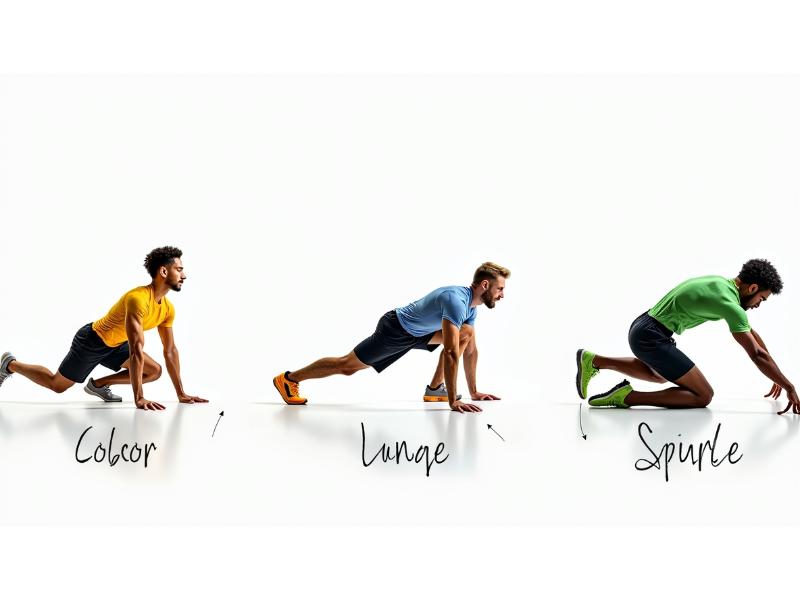
Strained QL muscle occurs when the hips stay tight. Perform lunges together with hip circles and pigeon poses during your exercise routine.
Spinal Mobility
The combination of Cat-cow stretches with spinal twists together with bridges effectively improves spinal mobility.
When to See a Physiotherapist
- Persistent or worsening pain
- The pain experiences movement through the lower body extending beyond the hips and legs.
- Limited mobility despite regular stretching
- Working with a licensed physiotherapist enables you to receive professional diagnosis of muscle imbalances along with manual therapy along with individualized recovery programs.
Common Mistakes When Stretching
- The practice of stretching beyond safety limits results in muscle strain.
- The risk of injury combined with reduced effectiveness occurs when stretching techniques are improperly performed.
- Any stretch exercise which causes pain indicates that you should stop immediately.
- Regular stretching only by itself does not result in long-term muscle benefits.
Tools That Can Help
These tools make stretching more precise and engaged which enhances your routine.
Conclusion
Stretching the QL muscle involves more than satisfying lateral stretches. The method provides a complete program for increasing mobility and treating lower back pain as well as enhancing the health of the entire musculoskeletal system. The QL muscle becomes more effective when you use techniques that have received physiotherapist approval for stretching and daily implementation. The key elements for successful QL muscle stretching include maintaining consistency along with correct form during each movement. The QL muscle deserves your attention no matter which activity category you belong to because proper care of this muscle may be the key to obtaining pain-free mobility.
https://shorturl.fm/zgyvI
https://shorturl.fm/e4gda
https://shorturl.fm/Vk7v6
https://shorturl.fm/btLzD
https://shorturl.fm/NdQI3
https://shorturl.fm/KGLC0
https://shorturl.fm/w4SRS
https://shorturl.fm/zWg82
https://shorturl.fm/zlODx
https://shorturl.fm/dpLcU
https://shorturl.fm/wKQoS
https://shorturl.fm/fMkUE
https://shorturl.fm/6GhkZ