
Introduction: Understanding Teeth Crown vs Veneer for a Better Smile
The two main treatments for smile improvement include dental crowns alongside dental veneers. Many people wonder about the difference between veneer vs crowns and which one might be right for them. This complete guide presents all necessary information using basic understandable language.
The dental appliances crown and veneer enhance tooth appearance but function in unique ways. A dental crown vs veneer comparison shows that crowns are like strong helmets for damaged teeth, while veneers are more like thin masks that cover just the front surface. Your dental and smile objectives combined with your current health needs can be better supported by understanding these distinctions between crowns and veneers.
Further Reading:
Veneers Before and After: Achieve a Celebrity-Worthy Smile
What Exactly Are Dental Veneers?
The Basics of Veneers
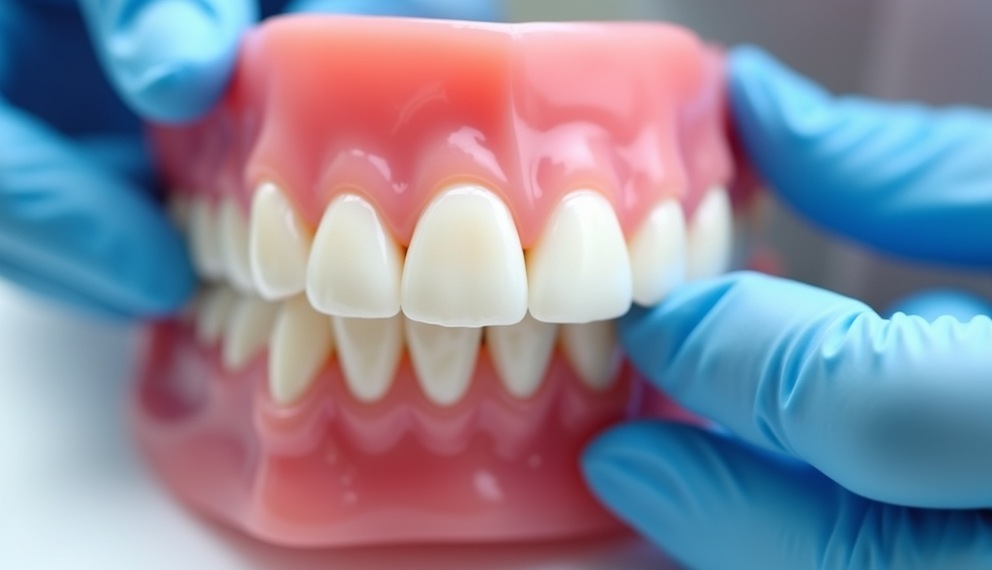
Dental veneers function as ultra-thin custom-made shells that medical professionals bond to teeth surfaces which face forward. The design of dental veneers resembles very thin strong stickers that specifically cover the visible portion of teeth. These dental appliances exist for enhancing the appearance of teeth which show signs of discoloration or wear or have chipped edges or minimal misalignment.
Different Types of Veneers
Two fundamental options exist when it comes to veneers.
- Porcelain Veneers
- Made from high-quality dental porcelain
- More stain-resistant than natural teeth
- Require minimal tooth preparation
- Proper care extends the lifetime of veneers between 10 to 15 years.
- Composite Veneers
- Made from tooth-colored resin material
- The procedure finishes within one appointment.
- Less expensive than porcelain
- These dental devices require replacement after 5-7 years of service.
The Veneer Application Process
The application of dental veneers requires patients to visit their dentist two or three times.
- Consultation and Planning
- Discussion of smile goals
- Examination of teeth and gums
- Possible x-rays or impressions
- Tooth Preparation
- Removal of small amount of enamel
- Taking impressions of prepared teeth
- Placement of temporary veneers
- Final Bonding
- Removal of temporaries
- Cleaning and etching teeth
- Permanent bonding of custom veneers
Understanding Dental Crowns
What Crowns Do for Your Teeth
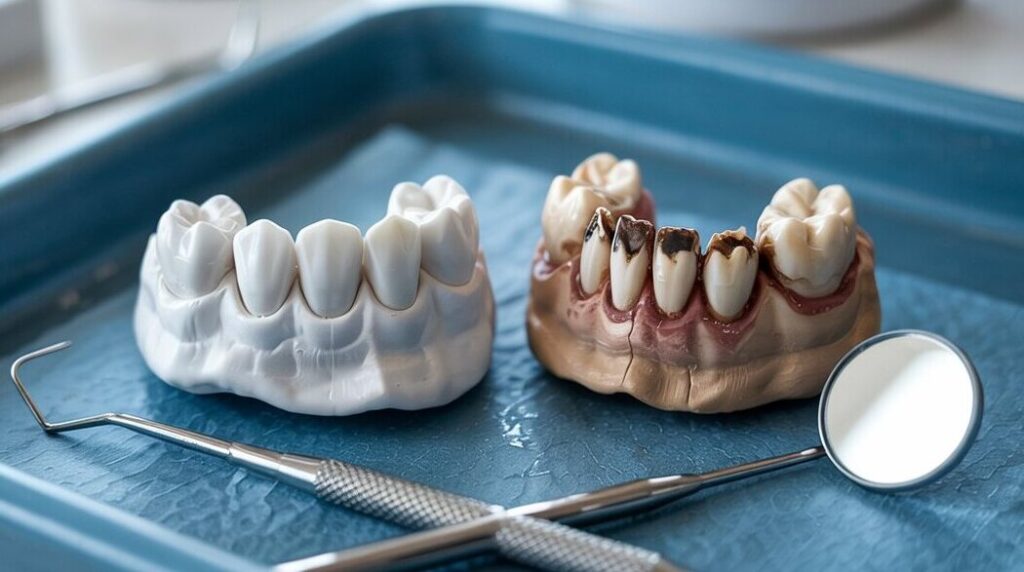
A tooth that requires dental crowns will receive complete coverage through these caps which dentists call caps. A crown extends its coverage over the entire external tooth region that exists above the gum line while veneers only protect the front surface. A dentist uses these restorations to protect badly damaged teeth that require maintenance but not removal.
Various Crown Materials
The selection of crown materials depends on both the tooth position and functional requirements according to dentists.
- All-Porcelain Crowns
- Best for front teeth
- Most natural appearance
- Less strong than other types
- Porcelain-Fused-to-Metal
- Strong metal base
- Porcelain outer layer
- Good for back teeth
- Gold Alloy Crowns
- Extremely durable
- Requires least tooth removal
- Visible metal color
- Zirconia Crowns
- Strong and aesthetic
- Good for all tooth positions
- Less tooth preparation needed
The Crown Placement Process
A crown placement requires two office visits for completion.
- First Visit
- Tooth examination and x-rays
- Numbing the area
- Reshaping the tooth
- Taking impressions
- Placing temporary crown
- Second Visit
- Removing temporary
- Checking fit of permanent crown
- Adjusting bite if needed
- Permanent cementing
Key Differences: Veneer vs Crown
Coverage Area
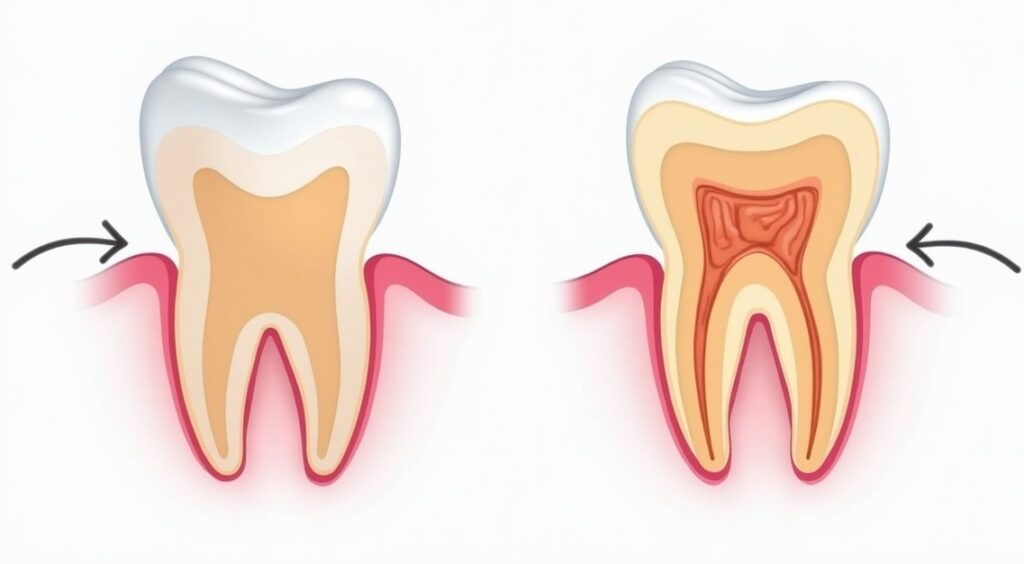
The most obvious difference between crowns vs veneers is how much of the tooth they cover. Veneers serve only the front portion of a tooth but crowns completely envelop the entire tooth structure. The extensive nature of tooth damage makes crowns a more suitable restoration option.
Tooth Preparation
The process to install veneers calls for minimal reduction of teeth through removal of only 0.5 millimeters from the tooth surface that faces forward. The procedure for crowns requires substantial tooth reduction which extends across all sides of the tooth for at least 1-2 millimeters. The extra thickness of crowns requires additional space for proper fit inside the mouth.
Strength and Durability
When comparing dental crown vs veneer strength, crowns are generally more durable. The ability of crowns to resist forceful chewing makes them suitable for use in back teeth which handle most of the chewing work. The strength of veneers allows them to resist damage but they become vulnerable to breaking when heavy pressure is applied.
Purpose and Function
The main purpose of veneers exists in enhancing the aesthetic look of smiles. Silicon crowns provide both decorative and restorative capabilities by replacing teeth with extensive decay or major fillings or root-treated teeth.
Making the Right Choice: Crown or Veneer?

When Veneers Are the Better Option
Veneers work best when:
- The teeth exist in good health yet need improvement in their appearance.
- The procedure suits you if you desire adjustments to tooth color together with shape modifications or small alignment corrections.
- The tooth enamel provides enough healthy material to allow bonding.
- Heavy teeth grinding or clenching does not affect you.
When Crowns Are More Appropriate
Crowns are preferable when:
- The teeth contain extensive fillings combined with advanced decay.
- A dental professional has treated the root canal in this tooth.
- The tooth displays visible cracks together with fractures.
- Grinding or clenching of the teeth occurs intensely.
- More extensive protection is needed
Special Considerations
Some situations require extra thought:
- Veneers are suitable for front teeth which show minor destruction.
- The strong forces generated by chewing require crowns to be placed on all rear teeth.
- Large existing fillings in teeth usually require crowns for proper restoration.
- A protective crown must be applied to root-canaled teeth for their preservation.
- Longevity and Maintenance
How Long Do Veneers Last?
With proper care, veneers typically last:
- Porcelain veneers: 10-15 years
- Composite veneers: 5-7 years
Factors affecting longevity:
Oral hygiene habits
- Regular dental checkups
- Avoiding hard foods and habits
- Grinders of teeth should use night guards.
- Crown Lifespan Expectations
Well-maintained crowns can last:
- Porcelain crowns: 10-15 years
- Metal crowns: 15+ years
- Zirconia crowns: 15+ years
Factors influencing durability:
- Quality of underlying tooth
- Oral hygiene maintenance
- Bite forces and habits
- Regular professional cleanings
Care Tips for Both
To maximize longevity:
- You should use a soft brush to brush twice every day.
- Floss carefully around restorations
- Resist the habit of chewing ice along with hard objects.
- Wear night guard if recommended
- Visit dentist regularly for checkups
Cost Comparison: Crowns vs Veneer
Dental Veneers Cost Breakdown
Average costs per tooth:
Porcelain veneers:
- 925−
- 925−2,500
Composite veneers:
- 250−
- 250−1,500
Factors affecting cost:
- Material choice
- Dentist’s experience
- Geographic location
- Number of veneers needed
Crown Pricing Information
Average costs per tooth:
Porcelain crown:
- 800−
- 800−3,000
Porcelain-fused-to-metal:
- 800−
- 800−1,400
Gold crown:
- 800−
- 800−2,500
Zirconia crown:
- 1,000−
- 1,000−2,500
Cost variables:
- Material selection
- Tooth position
- Dental insurance coverage
- Laboratory fees
Insurance Coverage Differences
Most dental plans:
- Cover crowns when medically necessary
- Consider veneers cosmetic (rarely covered)
- May pay 50-80% of crown cost
- Require pre-authorization for major work
Potential Problems and Solutions
Common Veneer Issues
- Chipping or Cracking
- Causes: Biting hard objects, trauma
- Solution: Replacement needed
- Debonding
- Causes: Weak cement, poor fit
- Solution: Reattachment or replacement
- Staining
- Causes: Porcelain absorbs some stains
- Solution: Professional cleaning
Typical Crown Concerns
- Loose Crown
- Causes: Cement failure
- Solution: Recementation by dentist
- Discomfort
- Causes: High bite, nerve irritation
- Solution: Bite adjustment
- Decay at Margins
Causes: Poor oral hygiene
A dentist must replace the new crown following the removal of decayed tooth material.
Preventing Problems
For both crowns and veneers:
- Maintain excellent oral hygiene
- Avoid using teeth as tools
- Wear protective mouthguards
- Attend regular dental checkups
- Address issues promptly
Professional Recommendations
Dentist’s Perspective
Most dentists recommend:
- Crowns for structurally compromised teeth
- Veneers for primarily cosmetic improvements
- Thorough evaluation before deciding
- Considering long-term maintenance needs
Patient Considerations
Important factors to weigh:
- Current tooth condition
- Desired outcome
- Budget constraints
- Time commitment
- Maintenance requirements
Final Decision-Making Guide
Step-by-Step Choice Process
- Evaluate Your Needs
- Cosmetic vs functional improvement
- Number of teeth involved
- Current tooth health
- Consult with Dentist
- Comprehensive examination
- Discussion of options
- Digital imaging if available
- Consider Practical Factors
- Cost and insurance
- Time requirements
- Long-term care
- Make Informed Decision
- Based on professional advice
- Aligned with personal goals
- Realistic expectations
Conclusion: Achieving Your Best Smile
Choosing between tooth crown vs veneer depends on your specific dental needs and goals. Veneers bring outstanding cosmetic benefits to teeth that remain healthy but crowns serve functional and cosmetic restoration needs of damaged teeth.
Remember:
- Veneers = cosmetic enhancement
- Crowns = structural restoration
- Both require proper care
- Professional guidance is essential
Each individual faces a different best option. You should consult with your dentist to determine which option combined with others will create your sought-after healthy beautiful smile. The correct choice of dental crowns and veneers supported by quality care allows them to dramatically boost dental health and boost your self-confidence.
Frequently Asked Questions
Can veneers be placed over crowns?
Generally no. Veneers need natural tooth enamel for bonding. Existing crowns would need replacement if you want to change their appearance.
Do crowns or veneers look more natural?
Modern versions of both look very natural. Veneers may have slight edge for front teeth as they’re thinner and more translucent.
Is the procedure of teeth crown vs veneer painful?
Most patients report minimal discomfort. Local anesthesia is used during preparation. Some sensitivity may occur afterward but is temporary.
Can I get just one veneer or crown?
Yes, but dentists often recommend doing matching teeth for symmetry. A single veneer might look different from natural teeth.
How do I choose between materials?
Your dentist will recommend based on:
Tooth location
Your bite forces
Aesthetic concerns
Budget considerations
Can these be done in one visit?
Some dentists offer same-day crowns using CAD/CAM technology. Traditional methods and veneers typically require multiple visits.
What if I don’t like the results?
Temporary versions allow previewing. Permanent ones can sometimes be adjusted or remade if unsatisfactory.
https://shorturl.fm/ycqqM
https://shorturl.fm/ClWVb
https://shorturl.fm/oxbIF
https://shorturl.fm/x4MXx
https://shorturl.fm/SyxI9
https://shorturl.fm/G2nhM
https://shorturl.fm/tX9l7
https://shorturl.fm/XqOJt
https://shorturl.fm/cFe6c
https://shorturl.fm/PFbpi
https://shorturl.fm/Gv47w
https://shorturl.fm/bbApW
https://shorturl.fm/vwIhq
https://shorturl.fm/WHatM
https://shorturl.fm/e2dv5
https://shorturl.fm/MLAPU
https://shorturl.fm/Kv4zS
https://shorturl.fm/FVbsV
https://shorturl.fm/xeRjv
https://shorturl.fm/IfjGu
https://shorturl.fm/UbePL